






Digital waste tracking can feel confusing at first. Many businesses aren’t sure what they’re actually required to record, or how detailed the information needs to be. Understanding the waste tracking requirements early makes things much simpler.
DEFRA’s approach is based on a single digital record for every waste movement. Instead of multiple paper forms, the system uses consistent data fields that follow waste from production through to treatment.
Here, we’ll set out the required fields you’re likely to encounter, explain when each one applies, and show why it matters in practice. We’ll also show how better data supports compliance, performance and zero-to-landfill outcomes, without adding unnecessary admin.
What is DEFRA’s digital waste tracking system?
DEFRA’s digital waste tracking system is a UK-wide framework designed to track waste from the point it’s produced to its final destination.
It applies to all waste types, including:
- Commercial and industrial waste
- Household waste
- Non hazardous waste
- Hazardous waste
The system creates a cradle-to-grave audit trail for every movement. Each step is recorded and linked, rather than spread across separate documents.
It replaces:
- Paper waste transfer notes for non hazardous waste
- Hazardous waste consignment notes
All information sits in one digital waste data service. Some fields only appear when relevant. For example, hazardous waste data requirements or POPs details only apply to specific waste types.
Why data fields matter under digital waste tracking
These data fields aren’t optional. They’re mandatory records that support legal compliance with existing business recycling laws, even as systems move from paper to digital.
They help demonstrate that:
- Duty of care has been met
- Waste is handled by registered carriers
- Waste reaches authorised sites
This is central to waste tracking compliance in the UK. It also reduces risk if records are checked by regulators or auditors.
The same data supports sustainability reporting. Treatment and destination details underpin recycling rates, landfill diversion and zero-to-landfill waste reporting.
Better data also helps you make better decisions. Clear visibility of waste streams makes it easier to reduce waste, cut contamination and improve recycling performance.
Identification and transfer details
Every waste movement must include core identification and transfer details.
Unique movement identification
Each movement is assigned a unique identifier. This is generated by the system.
It then:
- Links all records for a single movement
- Connects producer, carrier and receiver data
- Prevents loads from disappearing from tracking
This identifier replaces the role of traditional reference numbers used on paper notes.
Date, time and references
Mandatory fields include:
- Date of movement
- Time of collection or receipt
The system also supports references, such as:
- Hazardous consignment note codes where relevant
- Internal references like job numbers or weighbridge tickets
Internal references help businesses cross check records against invoices and site systems.
Parties involved in the movement
You must record details for the waste producer or consignor, including:
- Organisation name
- Address and contact details
- Industry SIC code
SIC codes classify business activity and allow DEFRA to analyse waste generation by sector.
Carrier, transport and destination details
These fields track responsibility for waste once it leaves the site.
Registered waste carrier details
Mandatory carrier details include:
- Business name
- Waste carrier registration number
Additional contact details can also be recorded. This supports duty of care during transport and ensures only registered carriers are used.
Transport mode and vehicle identification
You must record:
- Mode of transport, such as road or rail
- Vehicle registration number for road movements
This improves traceability and supports enforcement where waste crime is suspected.
Broker, dealer and destination site
If a broker or dealer is involved, their details must be recorded.
Receiving site information includes:
- Site name and address
- Permit, licence or exemption reference
This prevents waste being sent to unauthorised sites and supports compliance checks.
Waste description and classification data
This section is critical for correct handling and treatment.
Waste codes and written descriptions
Mandatory fields include:
- EWC or List of Waste code
- Written description of the waste
Descriptions must be accurate and specific. They may include composition or known contaminants.
Incorrect classification can lead to rejected loads, enforcement action and higher costs.
Physical form and containment
You must record:
- Physical form, such as solid or liquid
- Container type, including bags, skips or drums
- Number of containers
This information supports safe handling, verification and treatment planning.
Hazardous waste data
Conditional
Only required if the waste is hazardous.
Fields include:
- Hazardous indicator
- Hazard property or HP codes
- Hazardous consignment note code
- Chemical components where required
These fields ensure hazardous waste is managed safely and legally.
Persistent organic pollutants and special handling (POPs)
POPs fields are conditional and only apply where relevant.
You must indicate:
- Whether POPs are present
- POP substance name and concentration
POPs waste must be destroyed or irreversibly transformed. It can’t be recycled.
Optional special handling instructions can also be added. This is useful for wastes like asbestos or clinical waste.
Waste quantity and measurement data
Every movement must record quantity information.
Mandatory fields include:
- Quantity of waste
- Unit of measurement, such as kilograms or tonnes
- Estimated or actual flag
Estimated weights must be updated once actual weights are confirmed. This supports compliance, fair cost allocation and pay-as-you-throw charging models.
Treatment, recovery and fate of waste
This data shows what happens to waste after collection.
Intended treatment and R and D codes
You must record intended treatment using:
- Recovery codes
- Disposal codes
Waste treatment and recovery codes must be recorded to show how waste will be managed, whether it’s recycled, recovered for energy or sent for disposal.
Confirmation of receipt and rejected loads
Receiving sites must confirm:
- Receipt of waste
- Actual quantity received
Rejected or diverted loads must also be recorded, including onward movements.
End of waste outcomes
Where waste becomes a product, this status must be recorded. Destination country or market information supports circular economy reporting.
What this means for zero-to-landfill reporting
Zero-to-landfill claims rely on evidence. Digital records already capture the data needed to support them.
Required fields include:
- Quantities
- Treatment routes
- Authorised destinations
Transparent data builds credibility with landlords, tenants and auditors. It also reduces the risk of overstated sustainability claims.
How First Mile and RecycleID™ support digital waste tracking
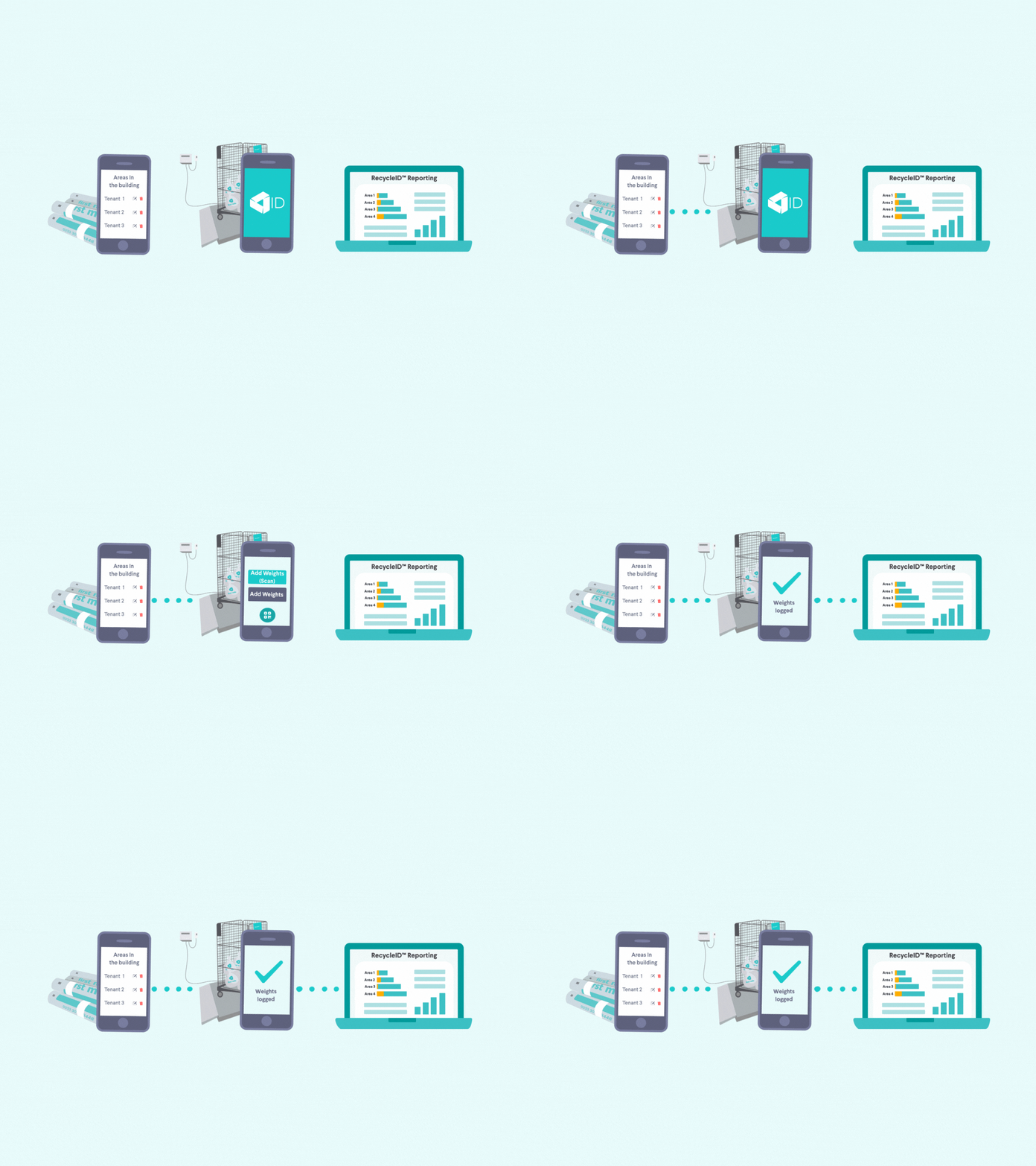
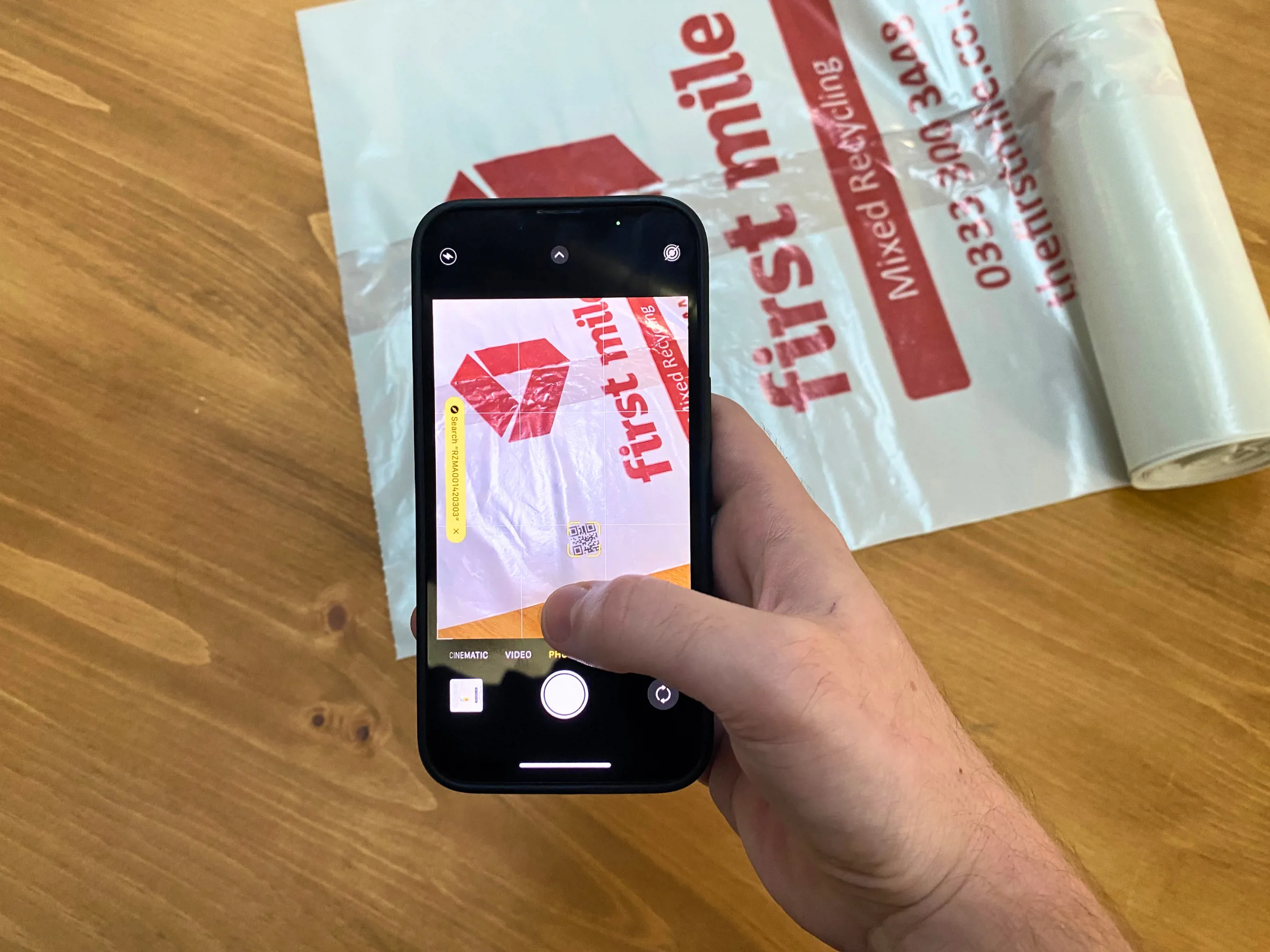
First Mile supports digital waste tracking through RecycleID™, which captures required data at source.
It enables:
- Tracking waste by site, tenant or area
- Contamination alerts with photos
- Pay as you throw charging
- Accurate sustainability reporting
RecycleID™ integrates with wider waste systems and scales across portfolios. It’s not a legal requirement, but it makes meeting digital waste tracking requirements simpler and more reliable.
Combined with First Mile’s zero-to-landfill approach, it supports compliance and performance without adding complexity.
Getting ready for digital waste tracking
Digital waste tracking is about transparency as much as compliance. Clear data makes it easy to prove where waste goes, how it’s treated and who’s responsible at each step.
Businesses that prepare now avoid disruption later. They also gain better visibility, stronger reporting and more control over waste costs.
With the right systems in place, meeting waste tracking requirements becomes part of everyday operations.
Talk to First Mile about preparing for digital waste tracking with RecycleID™.
What data fields are mandatory under DEFRA’s digital waste tracking system?
Mandatory waste data fields include movement identifiers, dates, producer details, carrier registration, destination authorisation, waste codes, quantities and intended treatment. Some fields only appear when relevant, such as hazardous waste or POPs indicators.
Does digital waste tracking replace waste transfer notes and consignment notes?
The system replaces paper waste transfer notes and hazardous waste consignment notes with a single digital record for each movement, which many businesses describe as digital waste transfer notes.
What additional data is required for hazardous waste and POPs?
Hazardous waste requires hazard indicators, HP codes and consignment references. POPs waste requires substance identification and concentration details, as it must be destroyed rather than recycled.
How does digital waste tracking support zero to landfill claims?
The system records quantities, treatment routes and authorised destinations. This evidence supports credible zero-to-landfill waste reporting and transparent sustainability claims.