




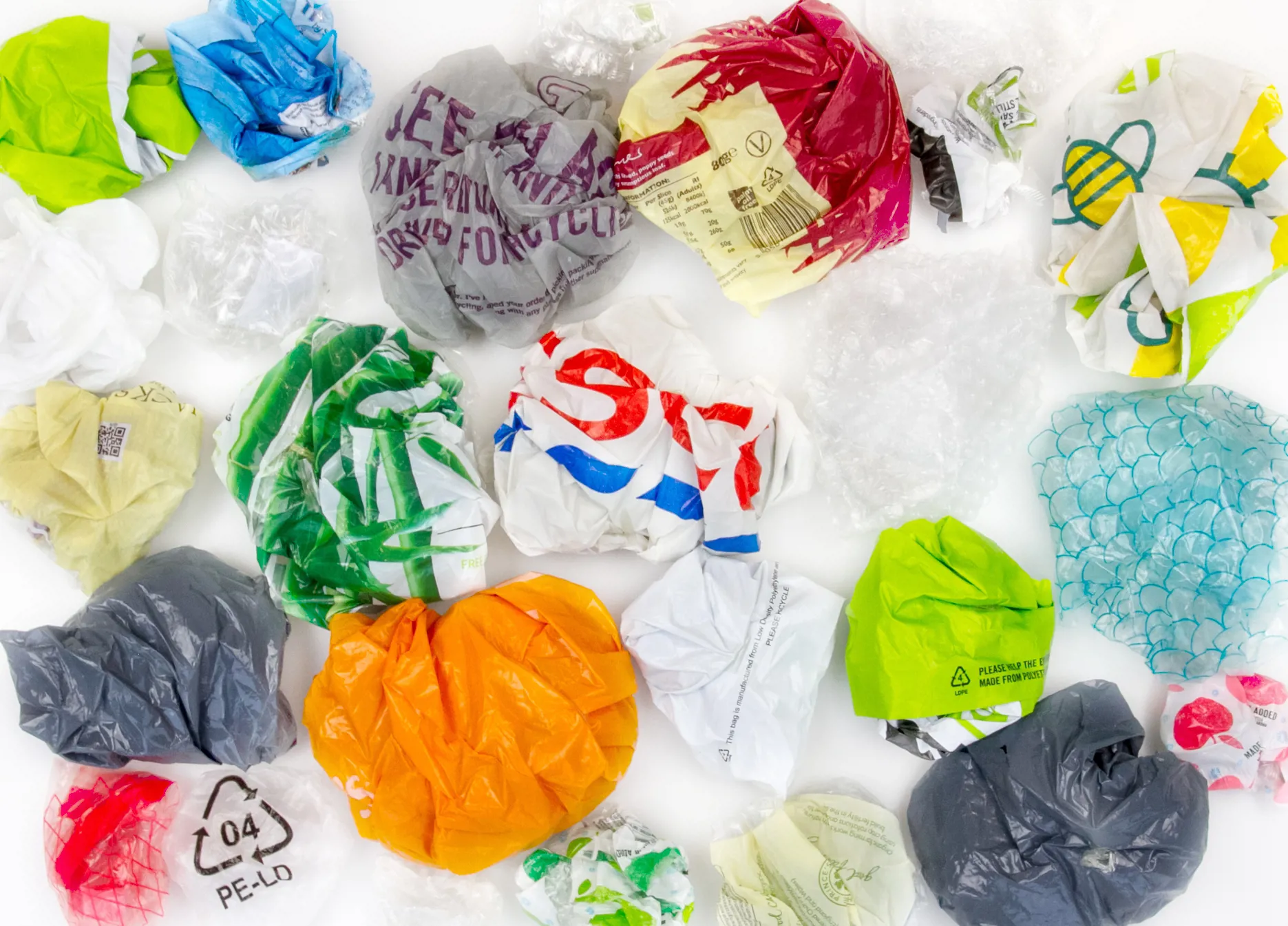
Soft plastics recycling is becoming a real priority for UK businesses. If you manage waste, you’ve probably noticed the shift. Materials once written off are now expected to be handled properly.
Expectations around separation, tracking and disposal are clearer, with direct impacts on cost, compliance, reputation and wider business benefits.
First Mile supports businesses with compliant, zero-to-landfill recycling, making soft plastics easier to manage and easier to get right. We’ll explain what’s required now, what’s changing over the next few years, and how you can prepare without disruption to your operations.
What are soft plastics?
Soft plastics are flexible and lightweight plastic materials. They’re often called plastic film or flexible packaging. Common materials include LDPE and polypropylene films.
You’ll see them across most workplaces, including:
- Carrier bags
- Shrink wrap and pallet wrap
- Bubble wrap
- Cling film
- Wrappers and pouches
Soft plastics protect products, but they also create a steady stream of waste. For years, most of it wasn’t recycled because thin films caused problems at sorting facilities.
The environmental impact is well known. Soft plastics can sit in landfill for decades and are a major contributor to plastic pollution.
However, recycling technology has moved on. Separate collections now make flexible plastic packaging recycling possible for many businesses, which is why expectations are changing.
Common sources of soft plastics in businesses
Most organisations generate soft plastics every day, often without realising how much. Common sources include:
- Back of house supplier packaging
- Delivery and logistics wrap
- Retail and hospitality food packaging
- Office post and protective films
Because this type of waste is predictable, soft plastics recycling for businesses is actually easier to plan and control than many people expect.

Why soft plastics recycling obligations are changing
UK plastic recycling rates have stayed stubbornly low. Soft plastics account for a large part of what’s been missed.
The waste hierarchy is long standing UK law. It prioritises prevention, reuse and recycling over disposal. Alongside this sits the business waste duty of care, which already applies to plastics.
In the past, limited infrastructure meant disposal was often the only option. That’s no longer the case. Processing capacity has increased and collection services are expanding.
Regulators see soft plastics as a key gap in workplace recycling. Closing the gap helps support zero-to-landfill business recycling and long term environmental goals.
Current legal obligations for businesses 2025 to 2026
All businesses have a duty of care for their waste, including plastics. You’re expected to:
- Apply the waste hierarchy
- Store waste safely
- Use licensed carriers
- Keep basic records
Since 31 March 2025, Simpler Recycling workplace rules apply in England. Businesses with 10 or more employees must separate:
- Dry recyclables like paper, card, metal and rigid plastics
- Food waste if produced
Soft plastics are currently exempt from mandatory separation. However, recycling them is encouraged wherever suitable services are available.
Enforcement is being phased in, but non-compliance can still result in compliance notices, fines and reputational risk.
Who the current rules apply to
The rules apply to:
- Businesses with 10 or more employees
- Single site and multi site organisations
Micro businesses have a temporary exemption until 2027. Devolved nations are moving in the same direction, with similar expectations emerging across the UK.
When soft plastics recycling becomes mandatory
31 March 2027 is the key date.
By then, all UK businesses must separate soft plastic packaging for recycling. This includes micro businesses.
Nationwide collection means suitable services for flexible plastic packaging recycling are expected to be widely available. In practice, this means soft plastics should no longer go into general waste.
Preparing early reduces disruption and spreads costs and training over time. It also puts you in control of soft plastics recycling well before enforcement tightens.
What this means for day-to-day operations
For most businesses, the changes are practical rather than complex:
- Staff need to know what counts as soft plastics
- Bins should be placed where waste is generated
- Clear labels help prevent contamination
Consistency matters, especially for organisations managing soft plastic waste across multiple sites.
Packaging producer obligations that affect soft plastics
Some obligations apply only if you’re classed as a packaging producer. These are separate from workplace recycling duties.
Extended Producer Responsibility (EPR) shifts disposal costs onto producers. You may qualify if you place packaging on the UK market or supply packaged goods under your brand.
Reporting thresholds apply. From October 2025, EPR disposal fees began to be charged, with higher costs for plastic packaging.
Fees are modulated. Packaging that’s easier to recycle costs less. Hard-to-recycle formats cost more, which directly affects flexible plastics.
Plastic Packaging Tax and soft plastics
Plastic Packaging Tax applies to packaging with less than 30%recycled content. Many soft plastics fall within scope.
Rates increase each year and should be factored into budgets. From 2027, only post-consumer recycled content will count towards the threshold.
This is already influencing packaging design and procurement decisions, and increasing demand for recycled soft plastics.
How businesses can prepare now
Preparation reduces risk and cost. Practical steps include:
- Auditing where soft plastics are generated
- Introducing simple segregation systems
- Using clear signage and guidance
- Working with a specialist recycler like First Mile
Staff engagement matters. Short, practical training helps staff get it right without overthinking it.
Digital waste tracking can also support compliance and highlight savings over time.
Why working with a specialist waste partner matters
A specialist partner offers:
- Confidence in compliance
- Clear visibility of end destinations
- Systems that scale ahead of 2027
As requirements expand, zero-to-landfill business recycling depends on partners who understand flexible plastics and how to handle them properly.
How First Mile supports compliant soft plastics recycling
First Mile provides specialist collections for flexible plastics across the UK. Materials are kept separate and recyclable.
Our zero-to-landfill guarantee removes uncertainty. Clear reporting supports duty of care and prepares you for future regulation.
We have a full range of nationwide recycling services that can support multi-site businesses, with data that supports compliance and ESG reporting.

What this means for your business
Soft plastics regulation is moving in one clear direction. Expectations are tightening now, even while some materials remain temporarily exempt.
By 31 March 2027, all UK businesses will need to separate soft plastic packaging for recycling. Between now and then, regulators expect businesses to follow the waste hierarchy and prepare where services are available.
Waiting until enforcement increases risk. Acting early helps spread costs, reduce disruption and stay compliant.
With the right systems and support, soft plastics recycling is achievable and practical. Talk to First Mile about preparing your business for compliant soft plastics recycling.
FAQs
What counts as soft plastics for businesses?
Soft plastics are flexible plastic materials such as plastic bags, shrink wrap, pallet wrap, bubble wrap, cling film and flexible packaging films. They’re usually made from LDPE or polypropylene and are different from rigid plastics like bottles or tubs.
Do businesses have to recycle soft plastics now?
Most UK businesses aren’t legally required to recycle soft plastics yet, as they’re temporarily exempt from Simpler Recycling rules. However, businesses should still follow the waste hierarchy and recycle soft plastics where suitable services are available.
When will soft plastics recycling be mandatory for businesses?
By 31 March 2027, all UK businesses, including micro businesses, will be required to separate soft plastic packaging for recycling. By then, nationwide collection services for plastic film and flexible packaging are expected to be in place.
Do small businesses have different recycling obligations?
Micro businesses with fewer than 10 employees have a temporary exemption from Simpler Recycling requirements until 2027. After that, the same soft plastics recycling obligations will apply regardless of size.
What happens if a business doesn’t comply with recycling rules?
Businesses that don’t comply may receive compliance notices or fines once enforcement increases. There’s also reputational risk, as poor recycling practices can undermine sustainability commitments.