


Waste Reduction, Compliance & Engagement

Deposit Return Scheme

From 1 October 2027, a refundable deposit will be added to single-use plastic bottles and aluminium cans sold in the UK. 

What is the Deposit Return Scheme?

The Deposit Return Scheme is one of the most significant environmental policy shifts in decades.

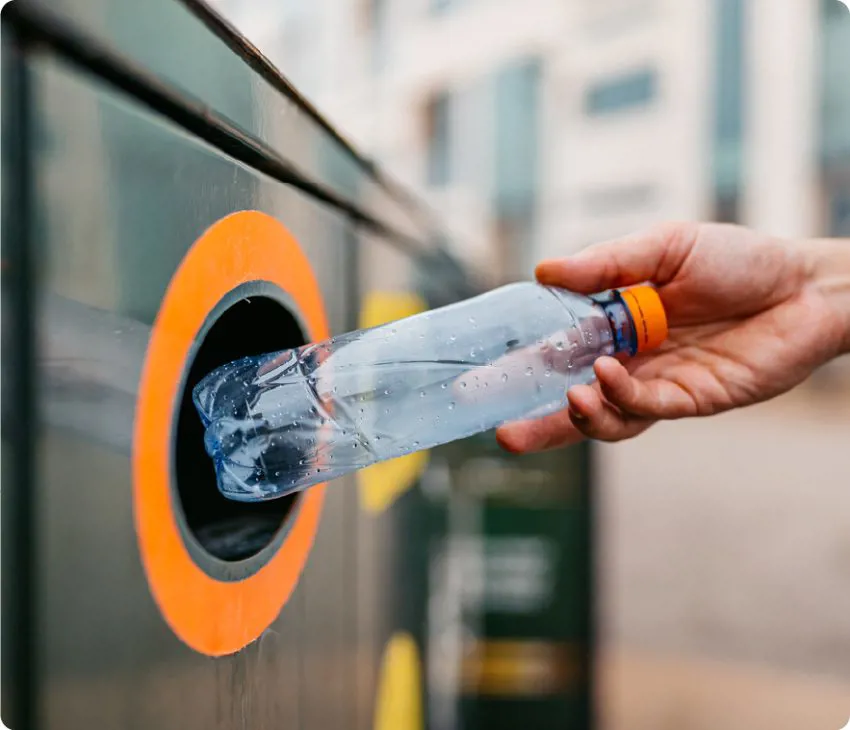
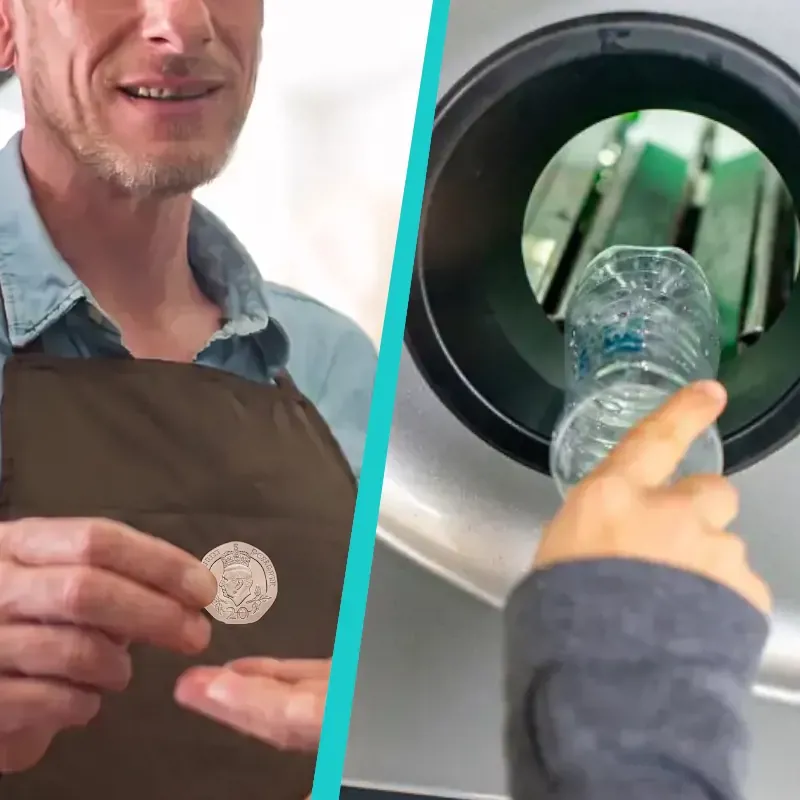
From 1 October 2027, a 20p refundable deposit will be added to every eligible single-use plastic bottle and aluminium can sold in the UK. Consumers get it back when they return empty containers to a registered return point.

Over 31 billion in-scope single use containers are sold in the UK each year. The aim of DRS is to increase recycling rates to at least 90% (27.9 billion containers) to reduce litter and collect and repurpose valuable materials.

The DRS affects the majority of businesses that sell, serve or manage drinks in single-use containers, but obligations vary by sector and size. It will also have an in-direct impact on offices and workplaces where staff will need to be able to dispose of cans and bottles to reclaim their deposit.

Read our full guide to the Deposit Return Scheme for the background and timelines.

Manual vs automatic return points

You have two ways to operate a return point:

  • Manually, where a member of staff checks the packaging is in-scope and if so, accepts the container over the counter and refunds the deposit. Operationally, this is the lower-cost, simpler option. However, you will still need somewhere to store returned containers before collection, as well as staff time to check, bag, tag and store containers for collection.

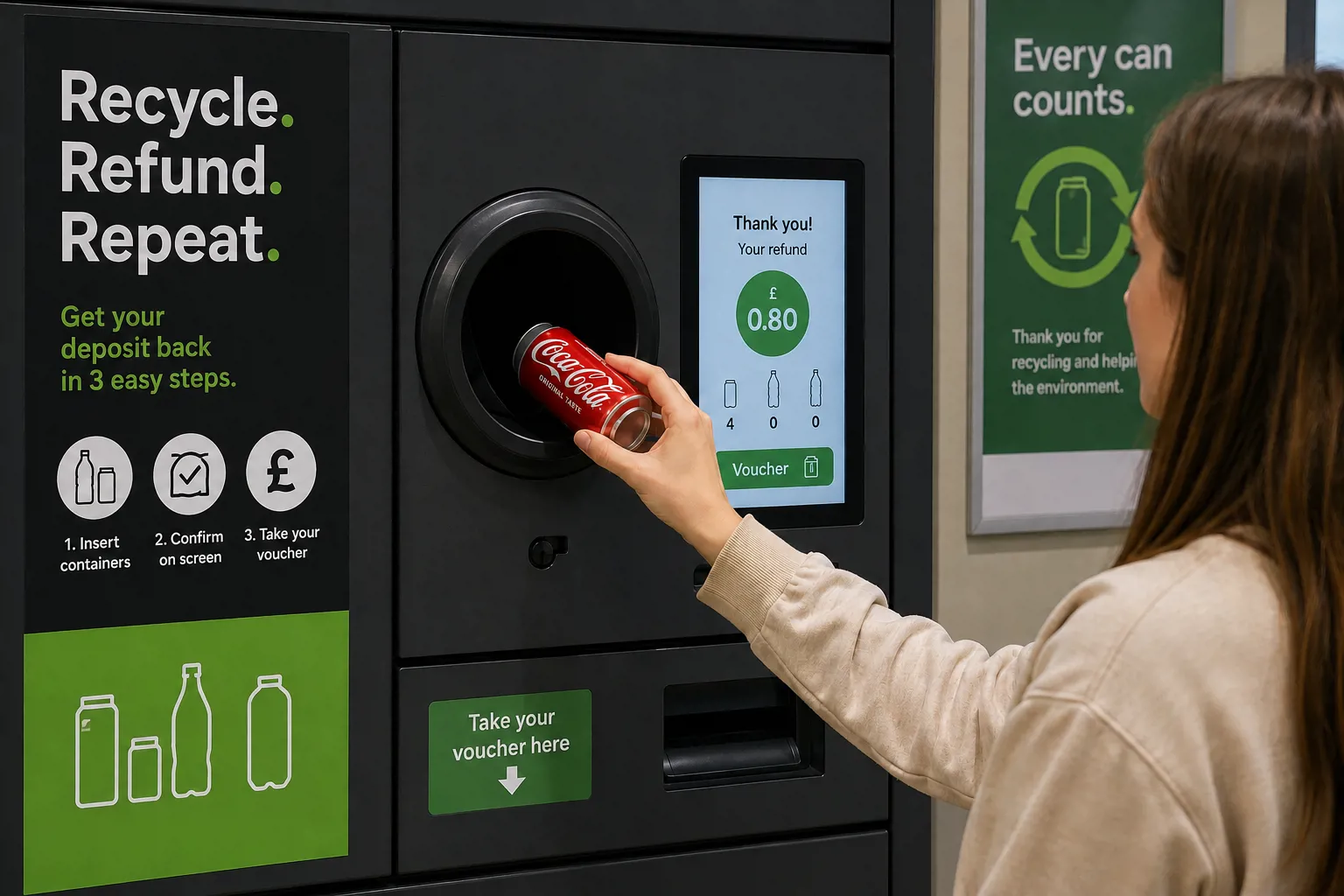
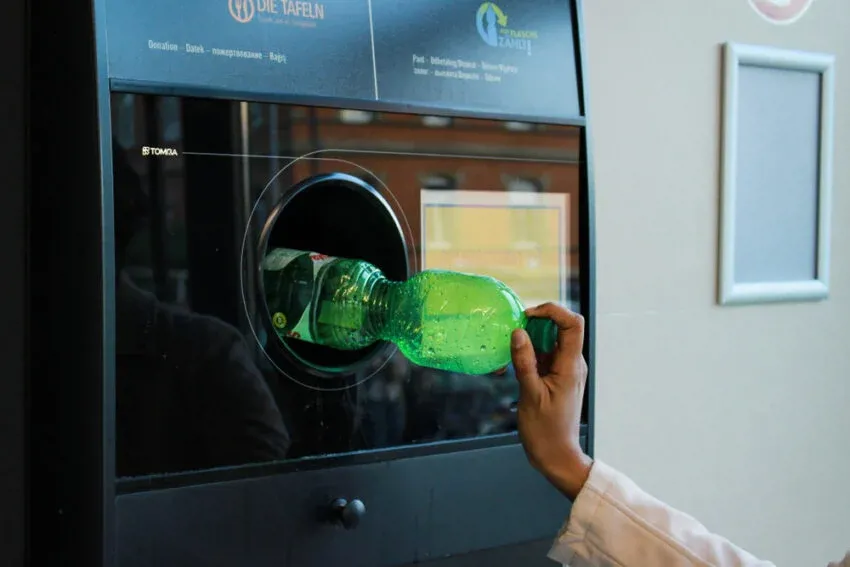
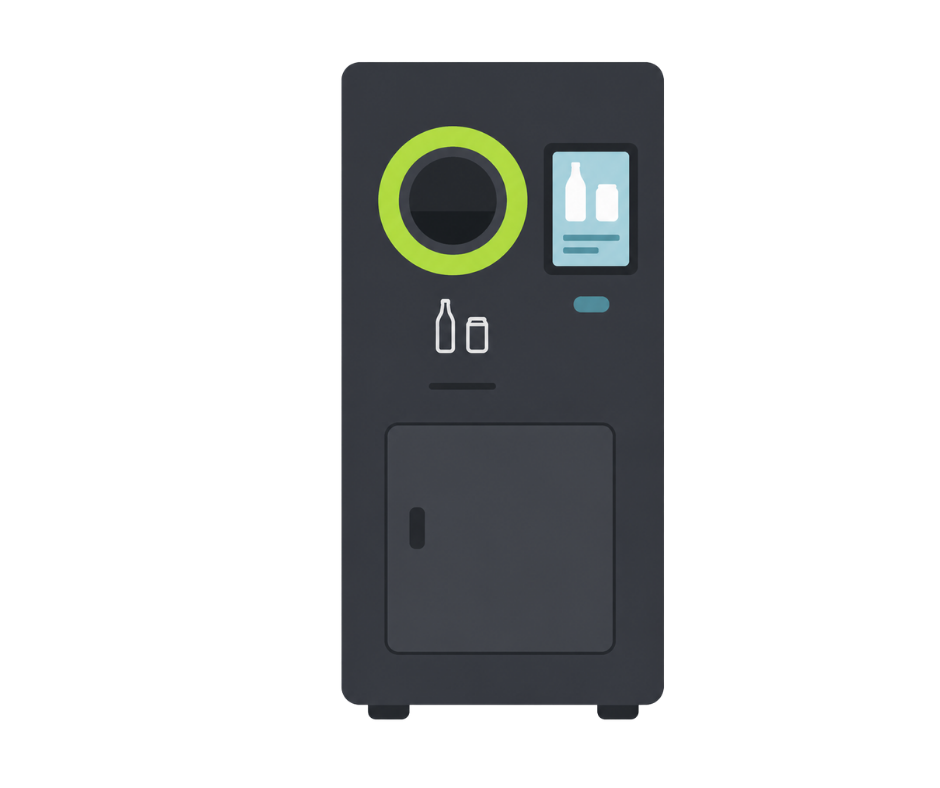
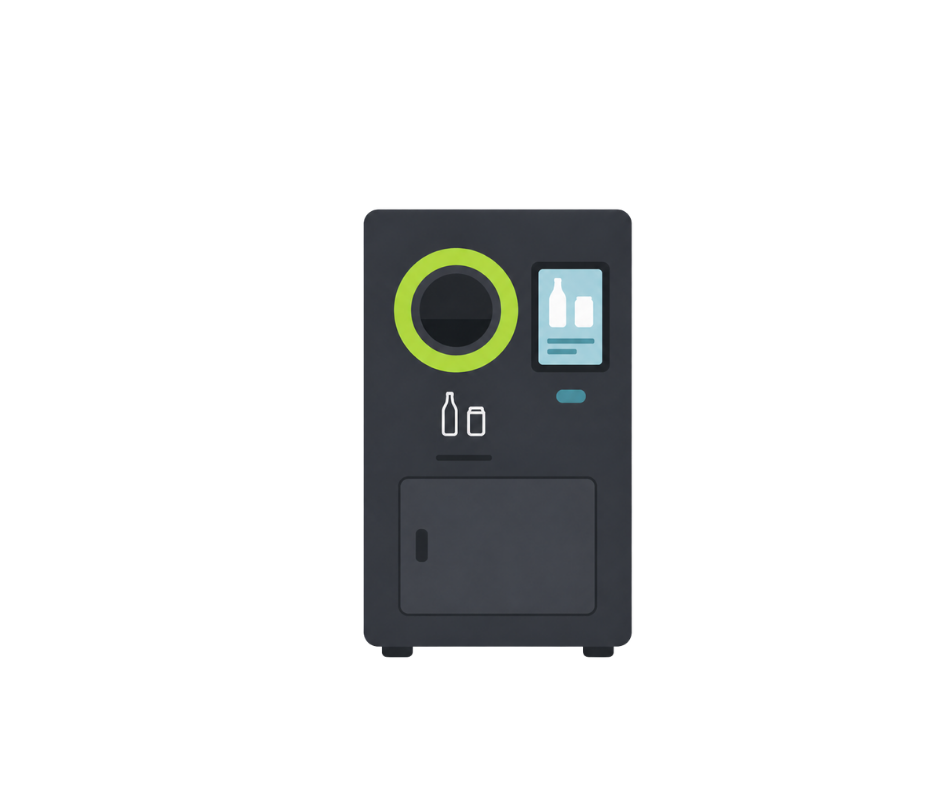
  • Automatically, using a reverse vending machine that the customer operates themselves. The machine handles the packaging check and issues the customer’s refund. There is an upfront cost and ongoing maintenance associated with the machinery and there also needs to be considerations for the physical footprint of the machine.

There are other considerations when deciding on your best return point option. We have put together a definitive retailer deposit return scheme guide to help you make the decision.
How the DRS Affects Different Sectors

Retailers

Hospitality

Offices and other workplaces

Producers & Manufacturers

Retailers
Retailers

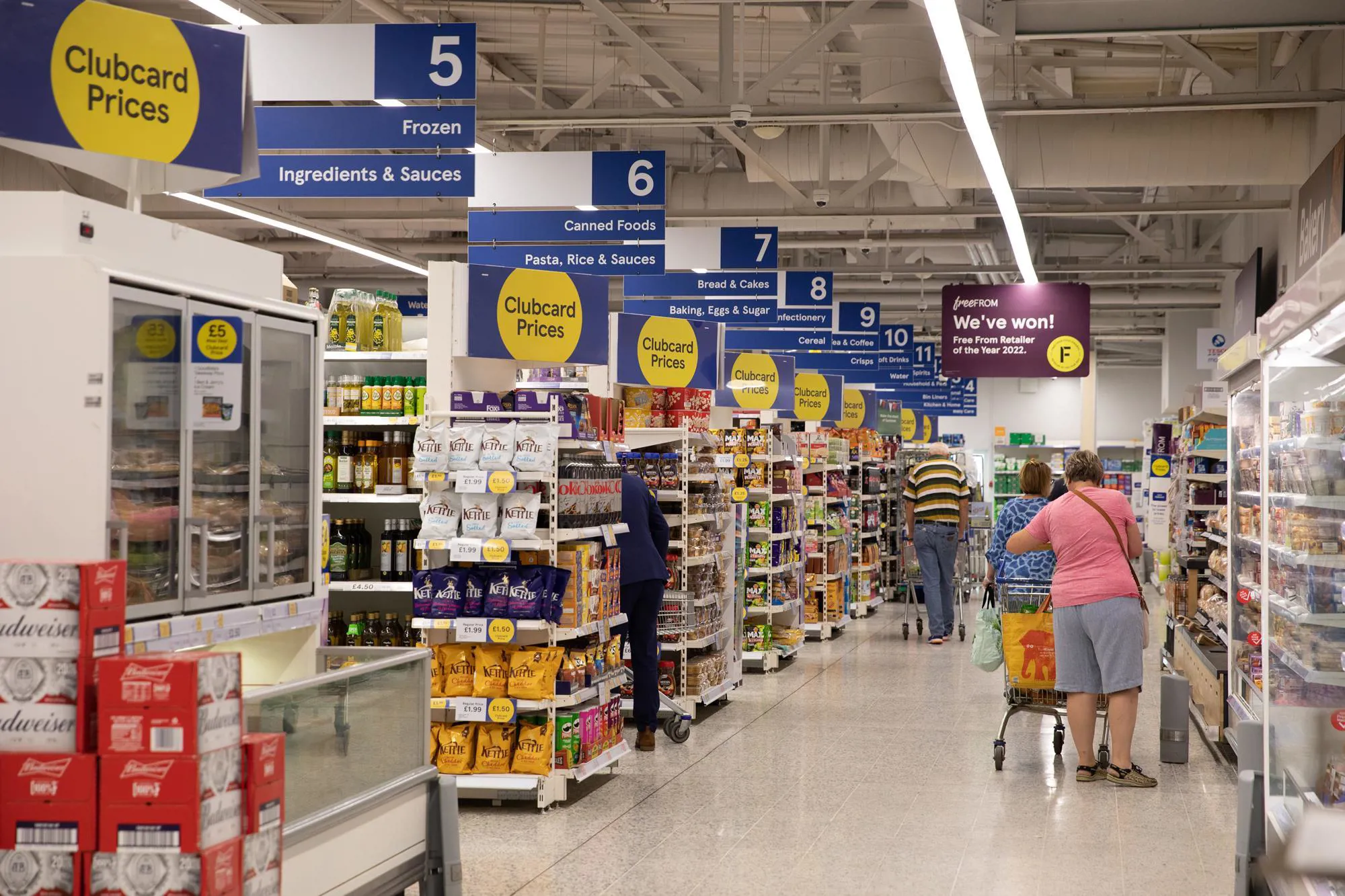
All retailers selling in-scope containers for off-premise consumption must charge consumers a 20p deposit. The 20p deposit must also be paid to wholesale suppliers when purchasing stock, which is recovered from consumers.

Supermarkets, grocery stores, convenience stores and newsagents that sell in-scope drinks must host a return point unless they qualify for an exemption.

Retailers who are not automatically exempt must register with Exchange for Change, refund deposits at the point of return, store returned containers for collection, and display clear scheme information.

Retailers can choose to operate return points manually or automatically using a reverse vending machine. Accepting returns means you receive a returns handling fee which varies depending on the return point you operate.

In order to help you choose the best path forward for your business, we have compiled a retailer deposit return scheme guide that features all of the information you need to make informed decisions.

Alternatively talk to First Mile and arrange a free DRS consultation, or explore our DRS reverse vending machine solutions for retailers.

Hospitality
Hospitality

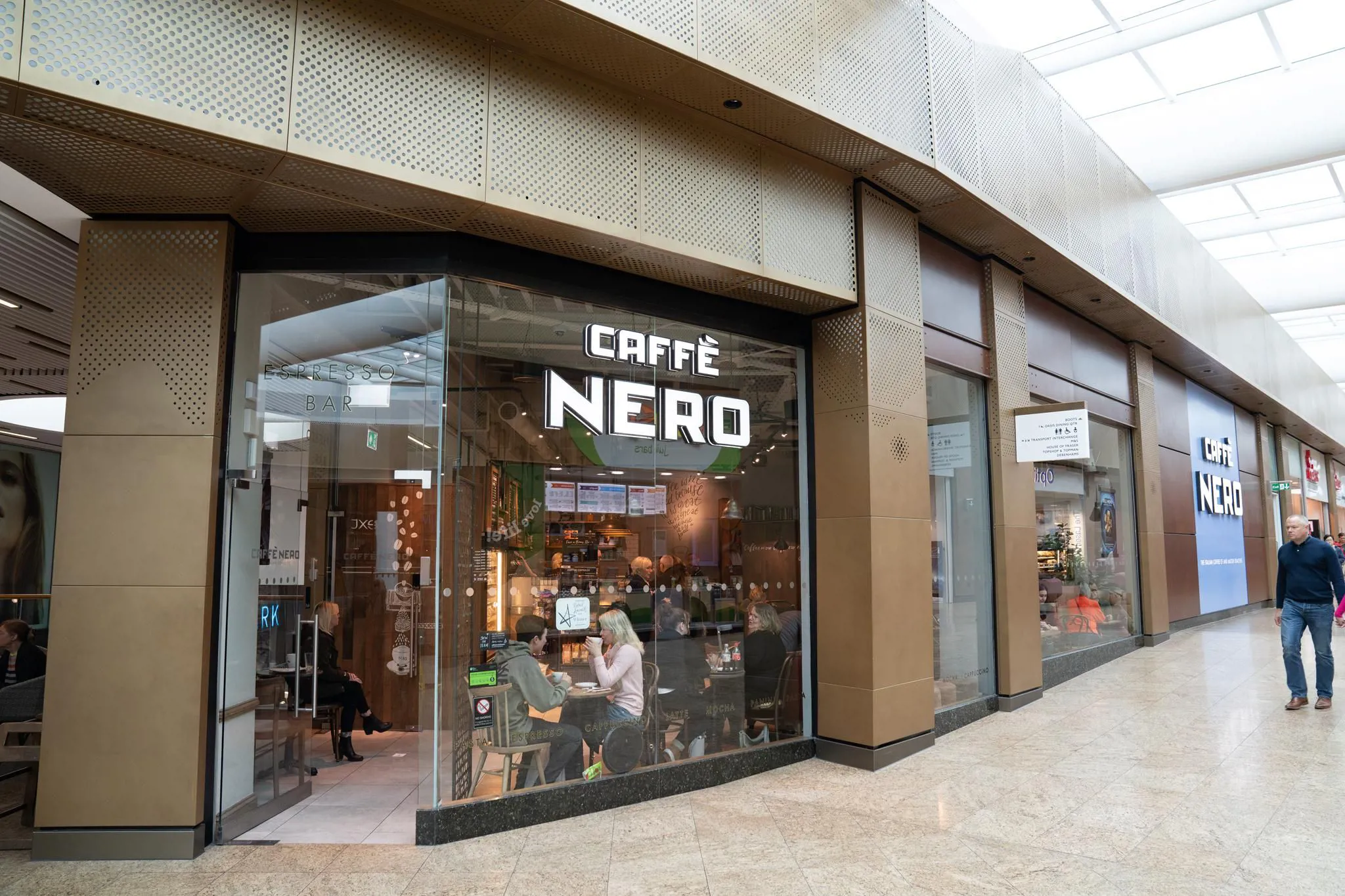
Hospitality venues including pubs, restaurants, cafés, hotels and theatres are not required to be mandatory return points currently under the Exchange for Change (EfC) scheme. However, hospitality businesses can volunteer to act as a return point.

The DRS deposit must be paid to wholesalers for in-scope stock. For drinks sold that leave the premises, the 20p deposit must be charged to customers. It is discretionary to charge the 20p for drinks consumed on-site (the deposit must not be charged in Scotland). If you do not charge customers the deposit for drinks consumed on your premises, you will need to claim the deposit back yourself, or forfeit the 20p.  

Find out more and talk to our DRS consultants to prepare for the future roll-out for hospitality and to get a free waste audit to see the percentage of eligible containers in your recycling. 

Offices and other workplaces

Your office or workplace is not required to operate a DRS return point, but the scheme will affect how containers are managed across your existing waste streams. Your staff will be buying drinks in containers that carry a refundable deposit, so it is worth giving them an easy way to return them at work and claim it back.

Talk to our DRS consultants today and explore our DRS solutions for workplaces without the full cost of a reverse vending machine solution. 

Producers & Manufacturers

Producers of in-scope drinks will need to register with the scheme, apply the deposit to eligible containers, comply with DRS labelling requirements and report the number of containers they place on the market. Deposits are passed through the supply chain and ultimately refunded when containers are returned.

Talk to our DRS consultants about how First Mile can support your business in the transition to DRS. 

Retailer DRS exemptions

The only automatic DRS exemption is for urban grocery retailers with a store (sales area) smaller than 100m2. Retailers over 200m2 can apply for exemption, but there is a presumption against granting an exemption to larger premises.

Rural stores under 200m2 and urban shops between 100m2 and 199m2 can apply for size exemption, but must register with Exchange for Change. 

Exemptions can be applied for based on site size, proximity to other return points and limitations of the store’s building. Applications for exemption are examined on a case-by-case basis. 

We have a breakdown of the exemption rules in our retailer DRS guide.

Get a free DRS consultation with First Mile

Your plan for implementing DRS depends on your business's size and layout. First Mile works with retailers of all kinds, from independent shops to national chains, and has the experience to find the right approach for your business.

The free consultation, open to customers and non-customers alike, covers what DRS means for your business, whether individual sites qualify for exemptions, choosing between a manual return point or an RVM, and practical support with implementation, storage, and layout ahead of launch.

First Mile also supplies reverse vending machines for purchase or lease, suited to retailers of any size. For small independent retailers who qualitfy for the £6,000 DRS grant, we can factor the whole sum into the buy and lease pricing, rather than you waiting on Exchange for Change's staggered payments over three years.

Claim your free DRS consultancy

Need some help with DRS?

Talk to First Mile and arrange a free consultation to help get you on the right path for the deposit return scheme.

Deposit Return Scheme FAQs
How do manual and automatic return points differ?

With a manual return point, a member of staff checks each container is in scope and refunds the deposit over the counter. It has a lower upfront cost, but can be harder to manage during busy periods, and containers still need to be bagged, tagged and stored correctly until collection. With a reverse vending machine (RVM), the customer returns containers themselves and the machine checks eligibility and issues the refund automatically. This cuts the day-to-day staff burden but comes with an upfront cost for the machine and a need to plan for its physical footprint.

Which retailers are automatically exempt from hosting a return point?

Automatic exemption only applies to urban grocery retailers with a store footprint under 100m². Stores larger than 200m² are presumed not to qualify for an exemption.

Can stores between 100m² and 200m² apply for an exemption?

Retailers in this size range, in both urban and rural locations, can apply for an exemption, though it isn't automatic. Applications are assessed case by case, based on factors such as site size, proximity to other return points and the physical limitations of the building. Even if an exemption is granted, the retailer must still register with Exchange for Change.

What is a reverse vending machine?

A reverse vending machine (RVM) accepts eligible drinks containers, checks they are part of the scheme, and refunds the customer's deposit. They help retailers comply with Deposit Return Scheme requirements while making returns quick and simple.

Is First Mile's DRS consultation only available to existing customers?

The free consultation is open to both First Mile customers and non-customers. It covers what DRS means for your business, whether individual sites are likely to qualify for an exemption, whether a manual return point or RVM is the better fit, and practical support with layout, storage and processes ahead of launch.

Do retailers get paid for operating a return point?

Accepting returns earns you a returns handling fee, which varies depending on whether you operate a manual return point or an RVM. This helps offset the cost of staff time, storage and machine running as part of your day-to-day DRS operation.

Exchange for Change confirmed returns handling fees:

  • Manual return point: 3p per container
  • Automatic/RVM, up to 225,000 returns: 5p per container
  • Automatic/RVM, over 225,000 returns: 1.3p per container
You may be interested in...
Reverse Vending Machine for automated return points as part of DRS
Aug 28, 2026
Deposit Return Scheme for UK Retailers: What you need to know before October 2027
A guide for UK retailers preparing for the Deposit Return Scheme. Understand what DRS is, who’s exempt, your return point options and more.
Learn More
Water bottle being given
Oct 31, 2025
Deposit Return Scheme 2027: How to prepare
The UK’s Deposit Return Scheme starts October 2027. Find out what it means for retailers, pubs & venues, key timelines, and how to prepare with First Mile’s closed-loop recycling experts.
Learn More
Deposit return scheme - bottles
Jan 14, 2026
Deposit Return Scheme (DRS): What it means for UK recycling and sustainability
Heard about the Deposit Return Scheme? We break down what it is, why it matters, and how it’ll help the UK recycle more, waste less
Learn More