




Our Digital Waste Tracking Solution

What is Digital Waste Tracking?
Digital Waste Tracking is a new UK government system for electronically recording waste movements. It's being introduced under Section 58 of the Environment Act 2021, which gives the government powers to require an electronic record of waste as it moves from where it's produced to wherever it ends up, whether that's recycling, recovery or disposal. There is an annual charge of £26 that grants 12 months of rolling access to the service.
Digital Waste Tracking will gradually replace the current paper trail of waste transfer and hazardous waste consignment notes with digital records. Records are stored by Defra and environmental regulators. The rollout is phased, and which date applies to your business depends on what kind of organisation you are. We've broken this down clearly below.
Who this impacts, and how

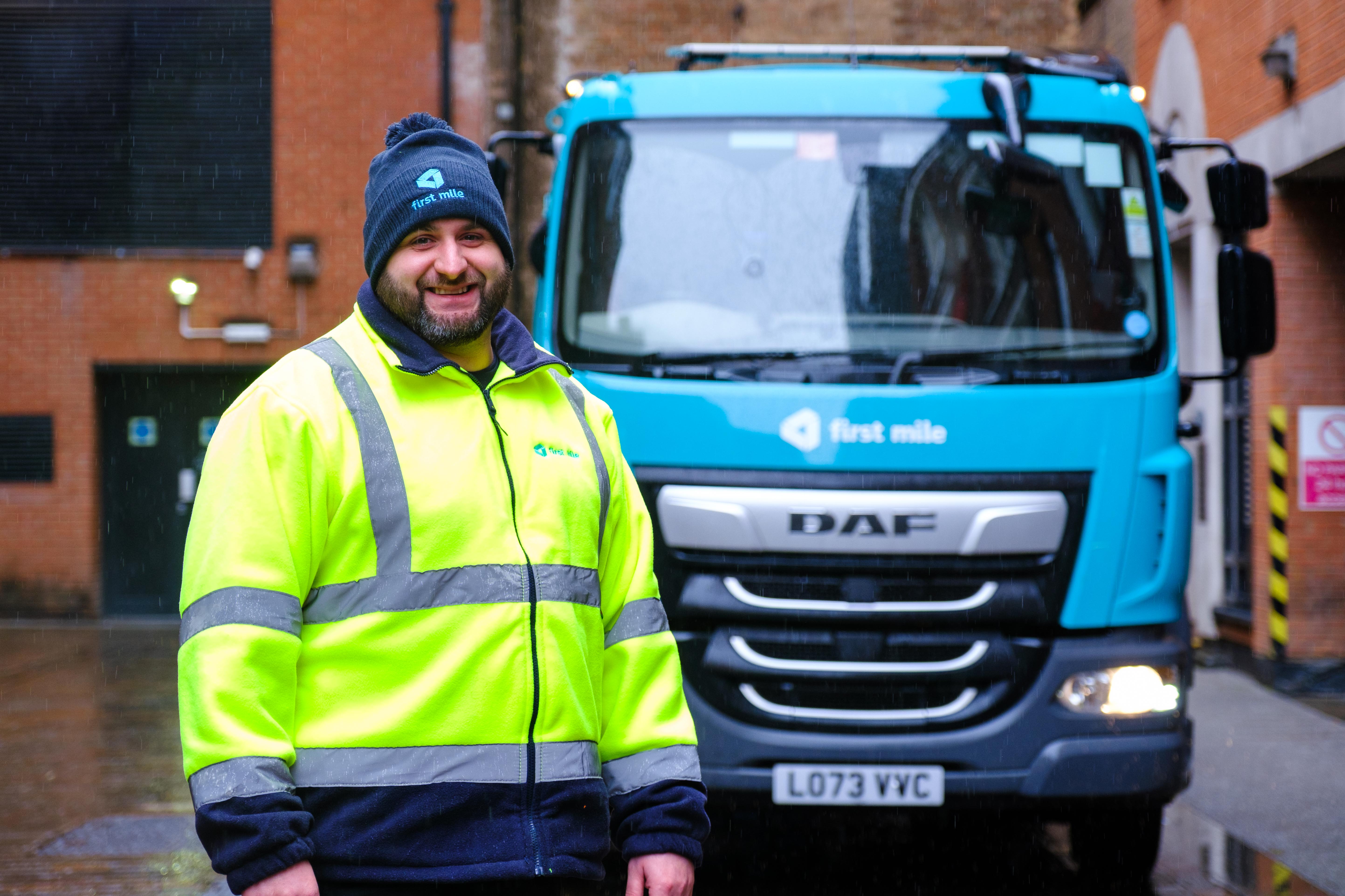
If you're a business generating waste, whether that's an office, a retail unit or a hospitality site, you most likely fall into the producer group. Defra has not published a mandatory date for waste producers yet. However, your duty of care obligations are not reliant on the introduction of Digital Waste Tracking. You are responsible for making sure your waste is handled by compliant, properly licensed partners. They will require accurate business information, an itemised list of waste types your facility generates and details of any hazardous chemical components in your waste.
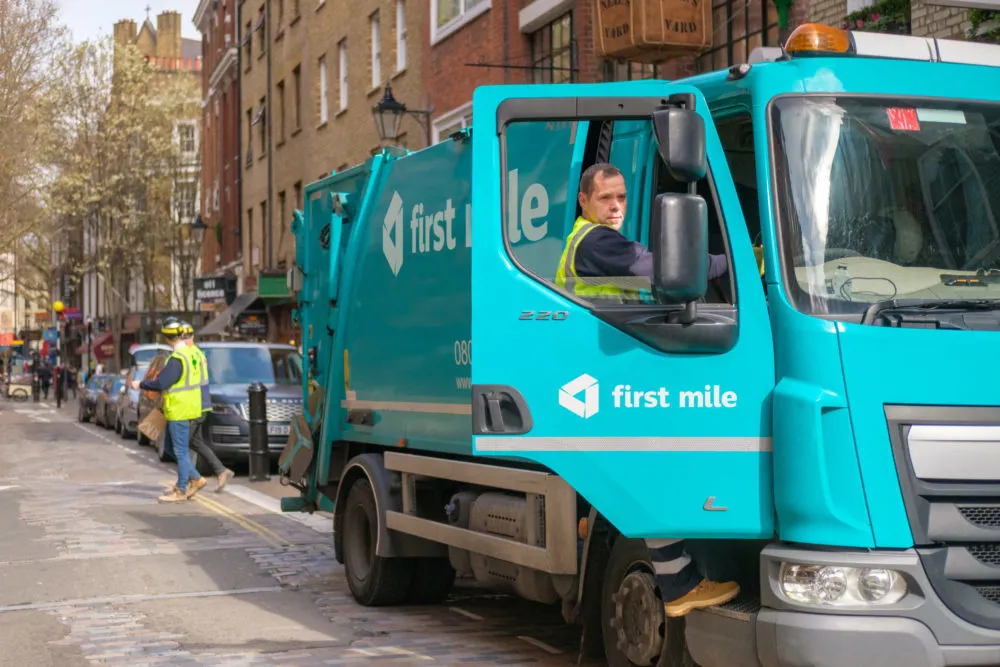
If you collect and transport waste, Phase 2 applies to you, mandatory from October 2027. The core change is that every movement needs a digital record rather than a paper one. First Mile falls into this group, which is exactly why we've built our own tracking and reporting tools well ahead of the deadline.
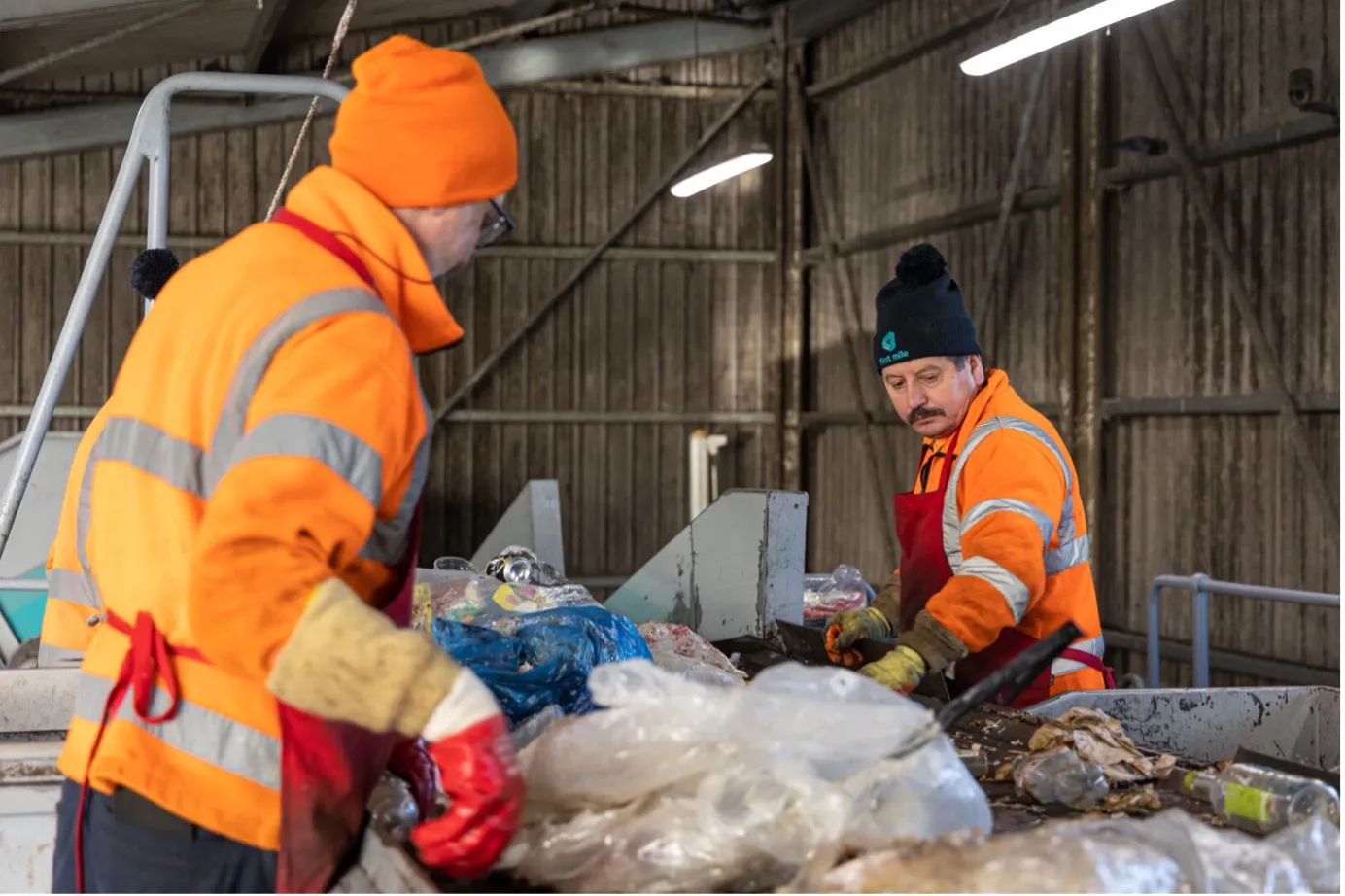
If you operate a permitted or licensed site that receives waste, such as a transfer station, materials recovery facility, recycling facility or landfill site, you are the first group in scope. Phase 1 makes this mandatory from 1 October 2026 in England and Wales, and from January 2027 in Scotland and Northern Ireland. The public beta has been open since April 2026 to give receivers time to integrate digital records with Digital Waste Tracking. Further information about ways to report receipt of waste can be found on gov.uk.
First Mile sits in this category too as we receive waste at our own sorting facility, the Sacktory®.
For information about the data requirements of digital waste tracking, read our article: Digital Waste Tracking: Required Data Fields.
If you arrange disposal or recovery on behalf of others, or buy and sell waste materials, you sit alongside carriers in Phase 2, mandatory from October 2027.
Digital Waste Tracking rollout timeline
Voluntary Waste Receivers Beta - April '26
Opened 28 April 2026
Who it applies to:
Voluntary. Open to permitted and licensed waste receiving sites to get a headstart and ensure integrated software systems are in place to report data.
Phase 1 Waste Receivers - Oct '26 (Jan '27 for Scotland & Northern Ireland)
Mandatory from 1 October 2026 in England and Wales. January 2027 in Scotland and Northern Ireland
Who it applies to:
Operators of permitted or licensed waste receiving sites, for example transfer stations, materials recovery facilities, recycling facilities, treatment sites, landfill sites and similar.
Recording commercial waste received at household waste recycling centre operators is also mandatory in phase 1 for England. This will come in the future for Northern Ireland, Scotland and Wales.
Phase 2 Waste Carriers, Brokers and Dealers - Oct '27
Mandatory from October 2027
Who is applies to:
Waste carriers, brokers and dealers, the businesses that collect and transport waste. Waste exemptions, business or individual permitted to store, treat, or dispose of small amounts of waste without needing a full environmental permit, will also be included in phase 2.
Phase 2 will function with a private and public beta to iron out processes and give organisations time to implement adequate reporting.
Waste Producers - Date TBC
No mandatory date confirmed by Defra
Who it applies to:
The businesses that generate the waste. Duty of Care obligations apply to ensure your waste vendors have accurate information regarding your business and its waste.
Why is Digital Waste Tracking being introduced?
The government's aim is a single, unbroken digital record of waste from cradle to grave, giving regulators better oversight than paper records allow.
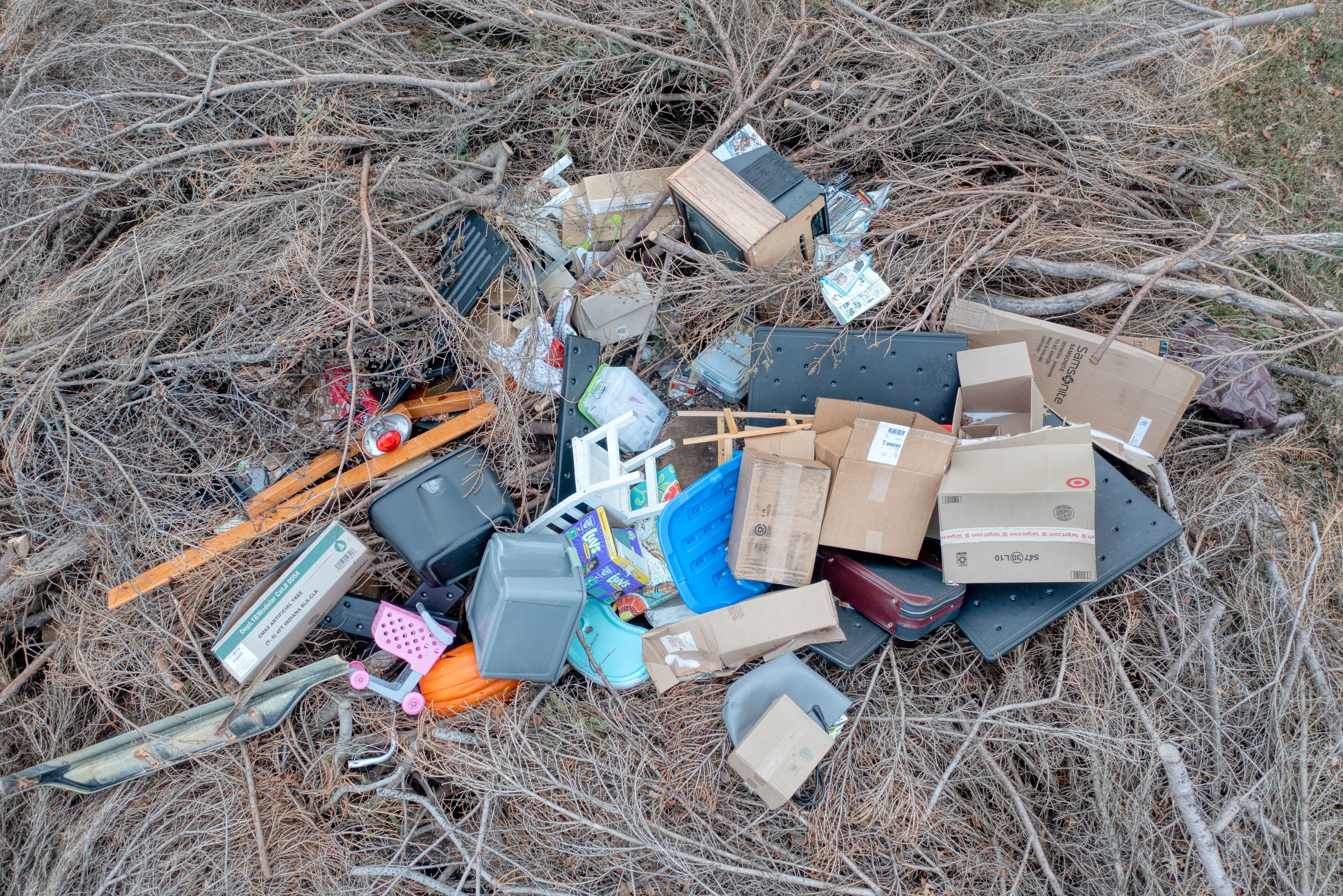
Waste crime is the main driver. The Environment Agency's National Waste Crime Survey (2025) estimates that 20% of all waste in England may be illegally managed each year, via fly-tipping, illegal dumping and the misdescription of waste. Waste crime also costs the UK economy an estimated £1bn each year as well as environmental impacts on communities where it occurs.
Fragmented paper-based tracking systems make waste crime hard to trace and easy to falsify. A live digital record makes it far harder for illegitimate operators to hide within the system, it also supports the UK's wider push towards a circular economy.
How First Mile helps you comply with Digital Waste Tracking
Whichever group you fall into, the practical challenge is the same. You need accurate, real-time data on your waste, and a straightforward way to report it. That is exactly what our tools are built for.
RecycleID™, capturing the data at source
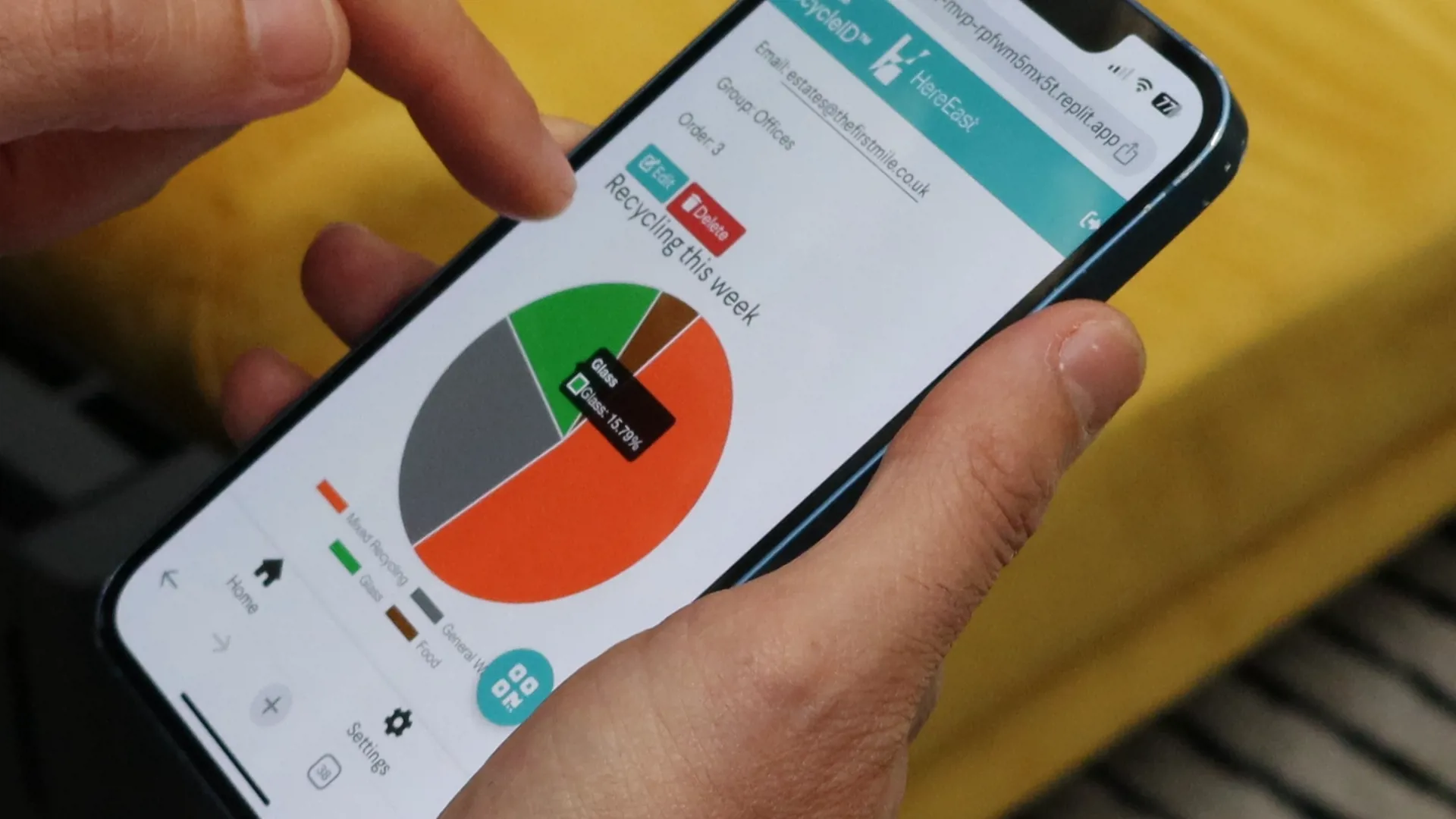
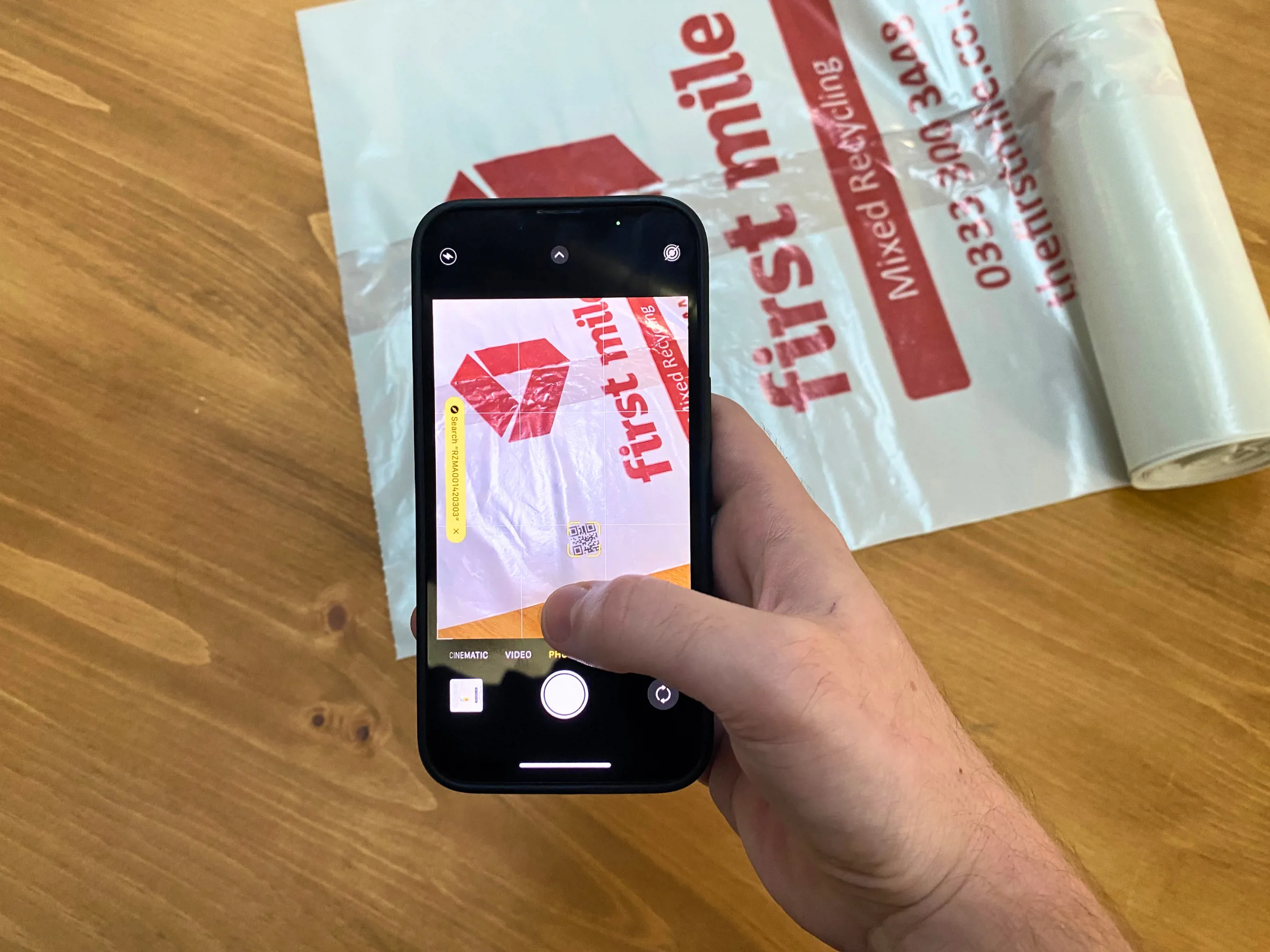
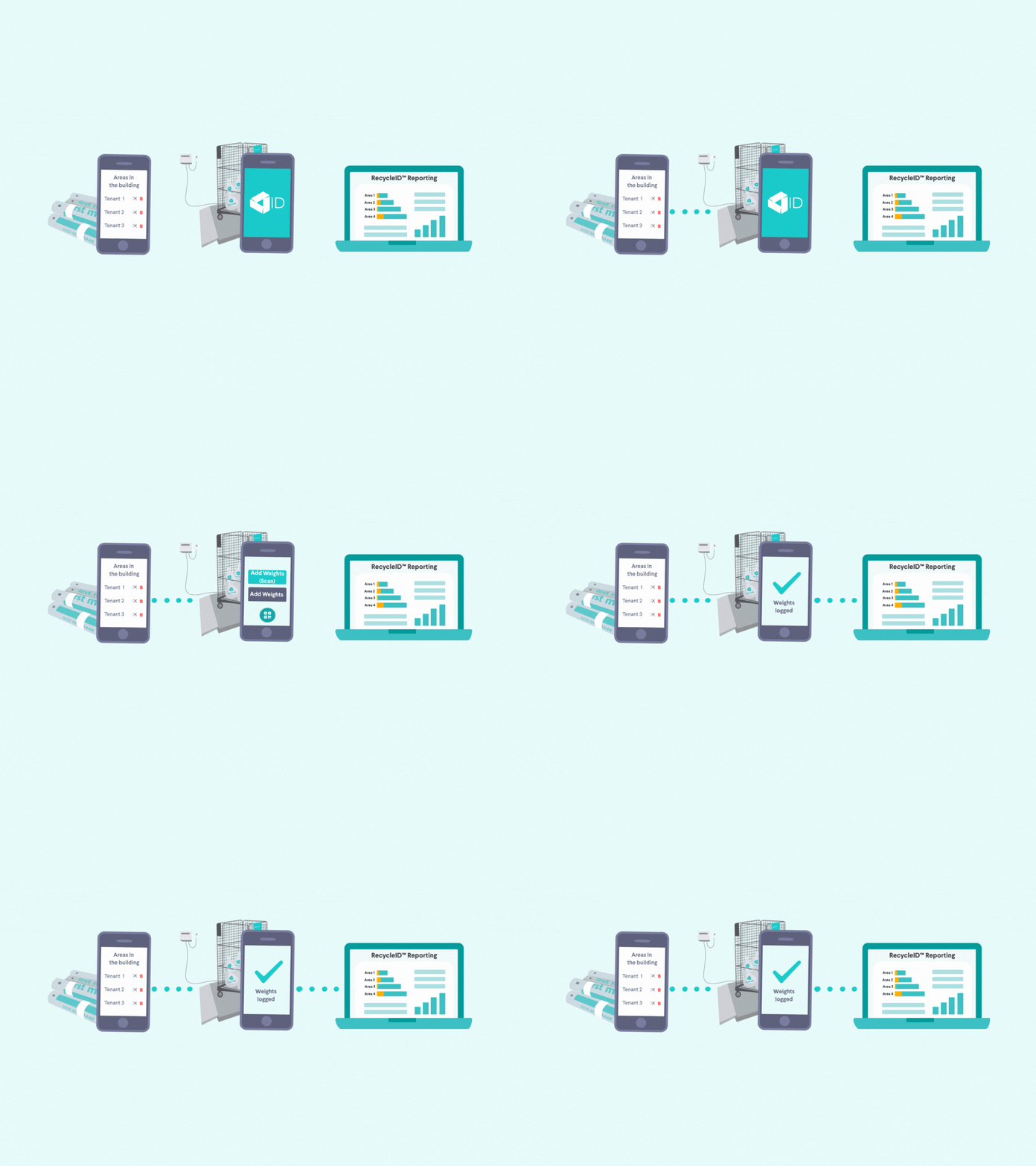
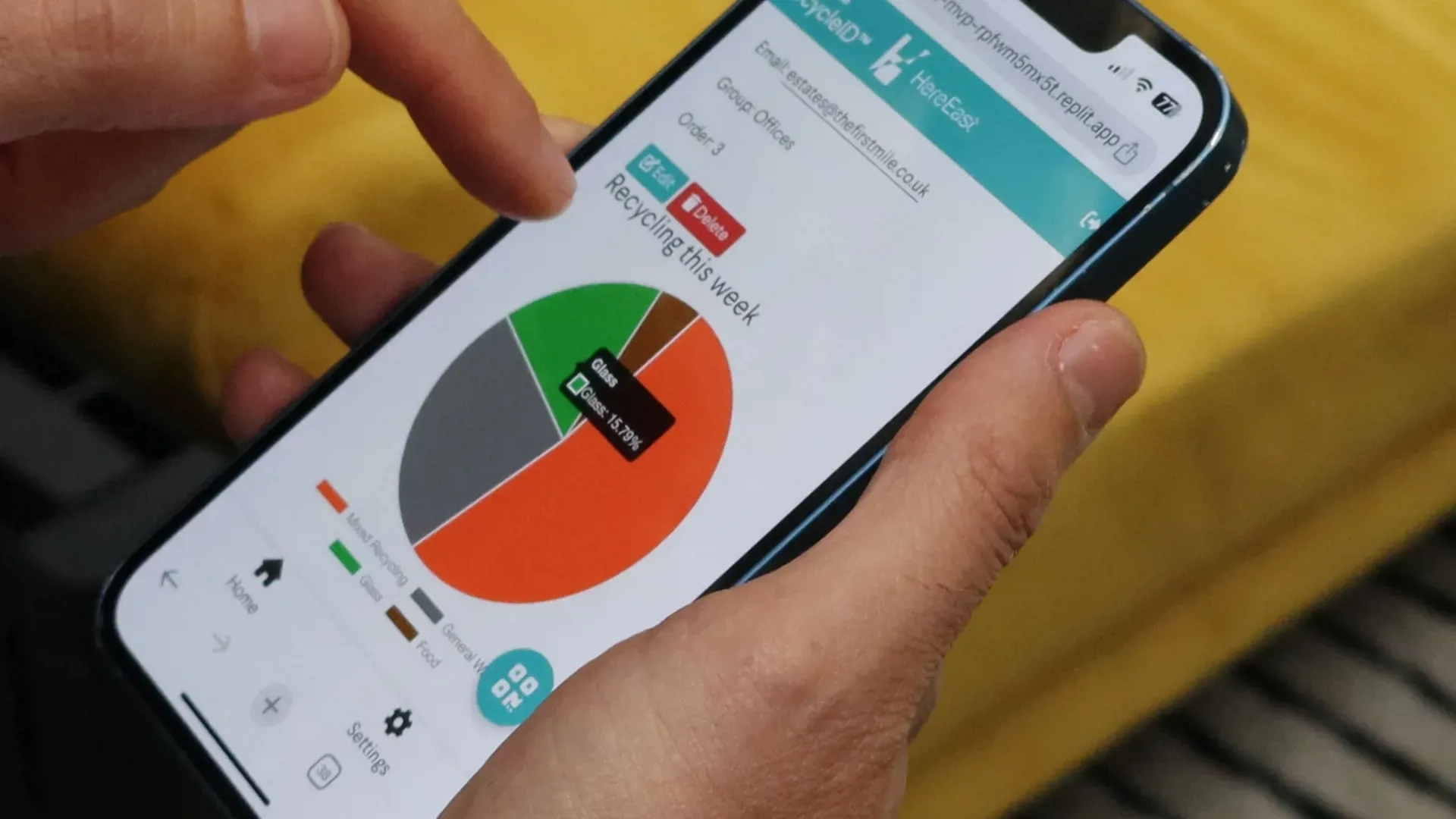
RecycleID™ is First Mile's waste tracking solution. By using our app, weighing platform and QR-coded sacks, capture the data Digital Waste Tracking requires where waste is created, tracking every kilogram by tenant, site or area in real time.
For producers, this means the data trail your collectors and carriers need is already in place, without extra admin on your side. For carriers, it means the digital record of every movement, the exact requirement Phase 2 introduces, is built in from the start rather than bolted on.

Recycling Data Studio, bring in all of your supply chain data
Recycling Data Studio turns raw waste data into clear insights that help you cut carbon, meet reporting goals and prove your progress. It pulls together your First Mile collection data and lets you upload data from other suppliers or from sites outside the UK into one clear dashboard.
All conversions are calculated using verified factors, including Defra's WARM model and UK Government Scope 3 methodologies, so your figures hold up to scrutiny. Scope 3 emissions reporting is generated automatically from your waste data, saving you from building it manually.
Together, RecycleID™ and Recycling Data Studio mean you eliminate reporting admin burdens. The record-keeping Digital Waste Tracking requires is already part of how you manage your waste, whether you're a producer wanting confidence in your supply chain, or a carrier like First Mile getting ahead of Phase 2.
Talk to our experts about Digital Waste Tracking
Not sure which phase applies to you, or what to do next? Our team can walk you through exactly what Digital Waste Tracking means for your business, and how RecycleID™ and Recycling Data Studio fit in.
What is Digital Waste Tracking?
Digital Waste Tracking is a UK government system that records waste movements electronically instead of on paper. It's being introduced under Section 58 of the Environment Act 2021 and is rolling out in phases between 2026 and 2027.
When does Digital Waste Tracking become mandatory?
It depends on your business type. Waste receiving sites must comply from 1 October 2026 in England and Wales, and from January 2027 in Scotland and Northern Ireland, this is phase 1. For phase 2, Waste carriers, brokers and dealers follow from October 2027. There's no mandatory date yet for waste producers.
I am a waste producer, does Digital Waste Tracking apply to my business yet?
If you produce waste, such as running an office, shop or hospitality site, there's no mandatory date for you yet. However, you have a Duty of Care to provide waste vendors with accurate information about your business and waste.
What's the difference between Digital Waste Tracking Phase 1 and Phase 2?
Phase 1 covers operators of permitted or licensed waste receiving sites, such as transfer stations and recycling facilities, mandatory from 1 October 2026, Scotland January 2027. Phase 2 covers waste carriers, brokers and dealers, mandatory from October 2027.
What data is required by Digital Waste Tracking?
Data requirements vary depending on which phase your business is in. The best place to learn about the mandatory data requirements is to either login to your Defra account or download the official spreadsheet template from this page.
How does First Mile help with Digital Waste Tracking compliance?
RecycleID™ captures waste data at source using our app, weighing platform and QR-coded sacks. Recycling Data Studio turns that data into compliant, verified reporting, including the ability to bring in data from other suppliers for one complete view.