





The Department for Environment, Food & Rural Affairs (DEFRA) introduced Simpler Recycling reforms in response to plateauing UK recycling rates which have stayed between 44-45% in recent years.
DEFRA unveiled the groundbreaking set of reforms to transform the waste management landscape in England.
Simpler Recycling focuses on simplifying recycling processes, reducing landfill waste, and tackling illegal waste activities to create a more sustainable and environmentally conscious society through improved recycling efforts.
What is Simpler Recycling'?
‘Simpler Recycling’ is the name of the regulations designed to make recycling easier and to ensure core recycling collections are taking place throughout the country. It came into effect for businesses on March 31st, 2025 and for local authorities from March 31st, 2026. Micro-firms with fewer than 10 employees have until 31st, 2027 until the rules apply to them and do not need to register for exemption.
The Simpler Recycling guidelines will also include the recycling of plastic film packaging (commonly referred to as soft or flexible plastics) to enhance recycling efficiency. The decision to include this recycling stream has been delayed until April, 2030.
The purpose of the Simpler Recycling legislation is to ensure businesses and local authorities separate materials from general waste to reduce the impact of climate change and to keep valuable resources in circulation as part of a circular economy.
The materials that need to be collected separately are:
-
Metal
Glass, metal, plastic, paper and card can all go in Mixed Recycling if your waste management partner has completed an assessment to allow them to do so.
Other legislations related to Simpler Recycling
Simpler Recycling is part of the UK Government’s wider ambitions to reduce greenhouse gases and to solidify the UK’s domestic resilience by focusing on circular-economic principles to keep valuable resources in circulation. Other legislations supporting the Government’s goals include:
Digital Waste Tracking
The Digital Waste Tracking (DWT) system is a mandatory centralised online platform introduced by DEFRA to replace paper-based waste transfer notes and record the end-to-end journey of commercial and industrial waste electronically. It aims to combat waste crime like fly-tipping.
Deposit Return Scheme
The UK’s Deposit Return Scheme will launch on October 1, 2027, applying a refundable 20p deposit to single-use plastic, steel, and aluminium beverage containers ranging from 150ml to 3 litres. Consumers can reclaim their deposits by returning empty containers to designated collection points like reverse vending machines.
What is the 'Simpler Recycling' timeline?
There are four key dates in total, as DEFRA staggered the implementation of ‘Simpler Recycling’ to give certain organisations more time to become compliant:
-
March 31st, 2025 - Core recycling must be collected from large and small businesses, as well as non-household municipal premises; this includes a separate stream for Food Waste Recycling.
-
March 31st, 2026 - Local authorities must implement standardised core recycling collections, including weekly food waste collections for households.
-
From March 31st, 2027 - Micro-businesses with fewer than 10 employees will have to be compliant.
-
From March 31st, 2030 - Mandatory plastic film collections for workplaces and households
Simpler Recycling for businesses: How to be compliant
Businesses (except micro-businesses) and other non-household municipal premises must separate collections for the following core mixed recyclable waste materials: glass, metal, plastic, paper & cardboard, and food waste.
While that might sound like a lot of bins, most businesses only need three or four to be compliant:
-
One dry mixed recycling bin for paper, glass, metals and plastics.
-
One bin for paper and card (if your waste management partner has not completed the assessment for these to be collected with Mixed Recycling)
-
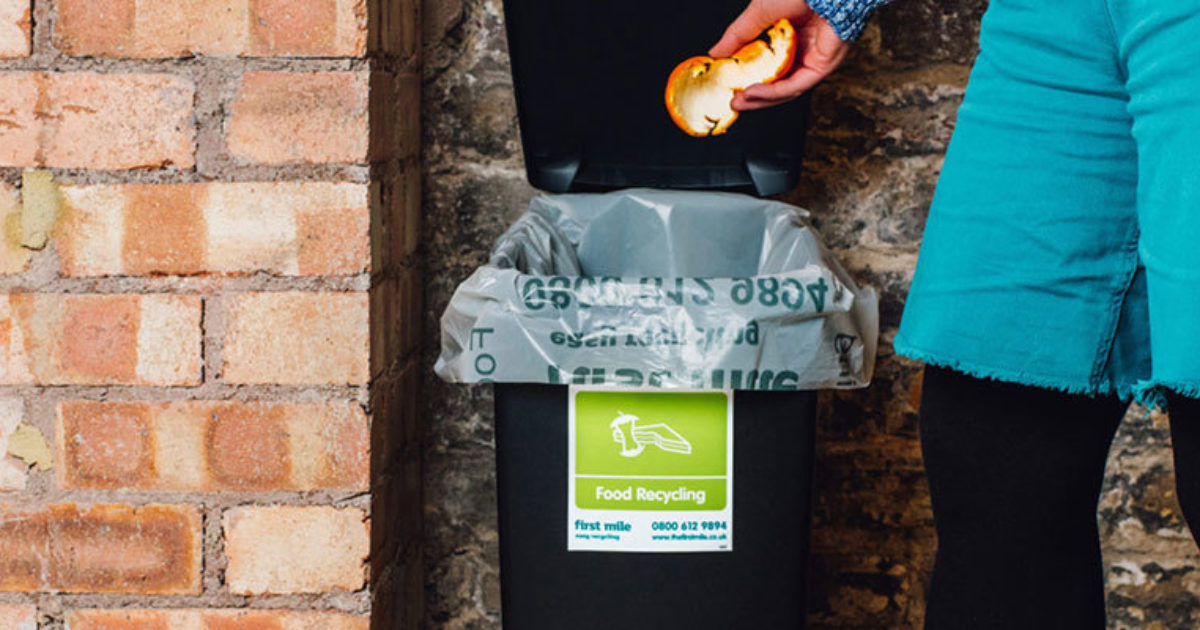
One for food waste, which needs to be placed in its own container and cannot be mixed with any other type of waste.
-
One for general waste, meaning anything that cannot be recycled.
An update from DEFRA on November 29th, 2024, clarified that businesses need to separate paper and card from other dry recyclables (glass, metal and plastics) unless their waste collector has completed an assessment to collect them together.
The good news is that First Mile has completed this assessment so customers can continue to include paper and card in their dry mixed recycling service and still be compliant.
However, businesses that create a lot of waste for a specific recyclable stream are advised to have a separate container for it. It’s just easier and avoids the dry mixed recycling bin filling up quickly, creating more space for the other recyclable streams.
It is also worth noting that some aspects of Simpler Recycling are being introduced at different stages. Cartons are included within the dry recyclable materials covered by the regulations, while the mandatory collection of soft plastics has been delayed until March 31st 2030.
How should businesses handle Simpler Recycling?
According to a survey conducted by First Mile in July 2024, 64% of businesses in England were not ready for the ‘Simpler Recycling’ reforms.
Simpler Recycling requirements for workplaces in England came into force on 31 March 2025. Businesses must now separate dry recyclable materials, food waste and non-recyclable waste before collection. Micro-firms with fewer than 10 full-time equivalent employees have until 31 March 2027 to comply.
If your business needs to review its waste arrangements, here are some steps to consider:
-
Review your waste services: Assess your current waste collection and disposal practices and check that your waste is being separated in line with the new requirements..
-
Review your waste management plan: Review your plan to ensure compliance with the ‘Simpler Recycling’ reforms. This plan should include details on your food waste collection methods, waste storage, and disposal procedures and ideally identify areas of improvement to reduce contamination and impractical methods for employees.
-
Invest in recycling infrastructure: If necessary, invest in new recycling bins, recycling signage, and other infrastructure to support your recycling efforts. Proper management of organic waste is crucial for successful recycling programs.
-
Educate your employees: Make sure your staff understand which materials should go into each waste stream and why separating waste correctly is important for compliance and effective recycling.
-
Speak to your waste collector: Your waste collector can advise you on the materials they accept, how they should be presented for collection and the most suitable collection frequencies for your business.
Video published October 2025. Legislation may have changed since release.
How Simpler Recycling impacts households?
Before Simpler Recycling, local authorities were able to set the rules on what can and can't be recycled by borough or region. This meant that not all households and businesses were able to recycle the same materials. The variation in recycling practices across different areas led to confusion, reducing recycling effectiveness and increasing contamination.
The changes address these issues by introducing standardised recycling and waste collection systems nationwide:
Weekly food collections
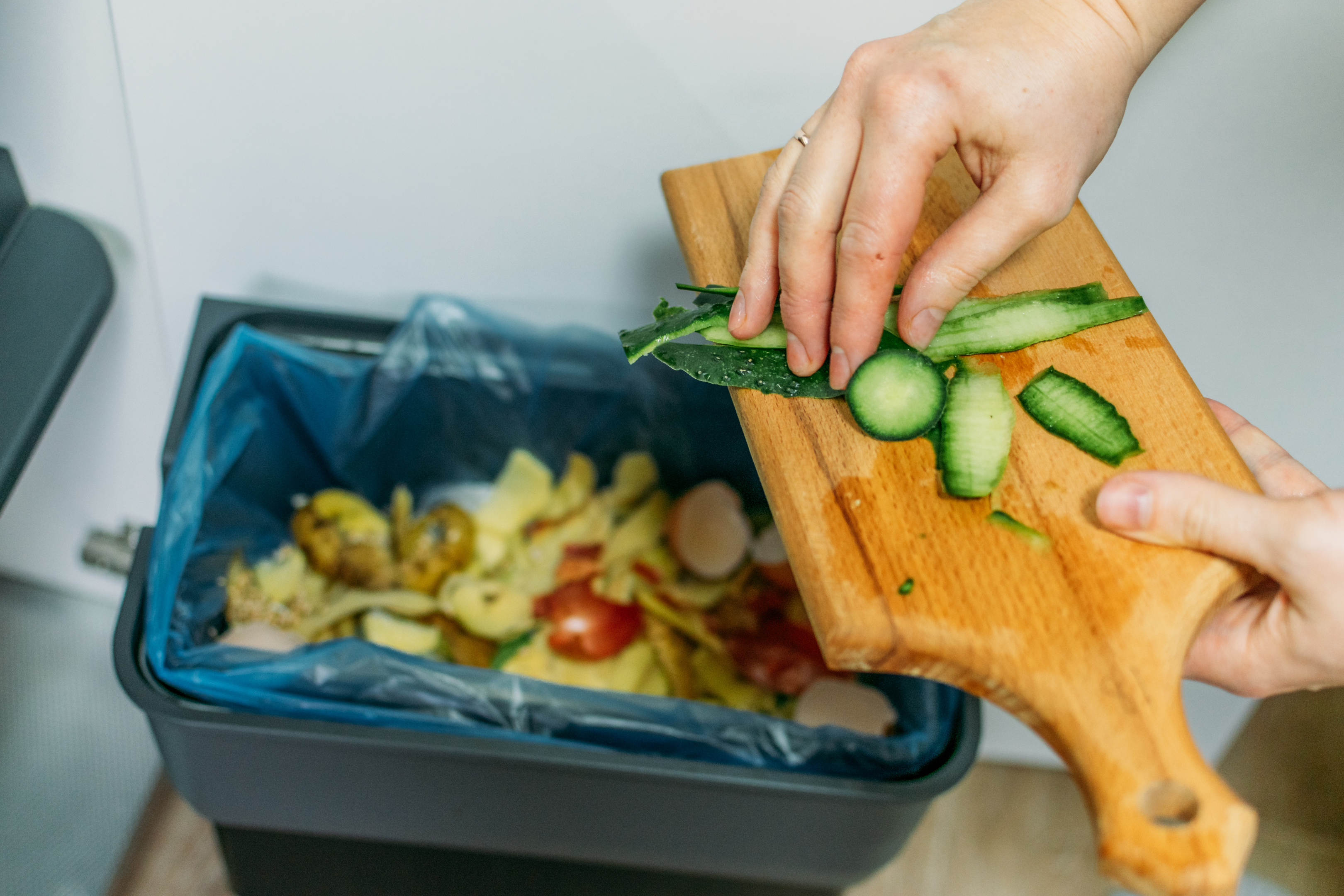
One of the biggest changes is the introduction of weekly food waste collections for most households in England.
These are designed to reduce waste and make it easier for households to manage food waste disposal, subsequently reducing the amount of food that councils find when they collect black bin waste which ends up in landfills.
Given that food waste represents the largest contaminator of household recycling bins in England, these waste reforms are anticipated to significantly elevate recycling rates across the nation.
Every local authority now collect the same 'core recycling' materials
Alongside food waste collections, local authorities now must collect the same recyclable materials under the Simpler Recycling guidelines. These include glass, metal, plastic, paper, and cardboard. However, local authorities can continue to charge for garden waste collections.
Flexible plastics, such as plastic film will also be collected in the plastic waste stream, meaning that traditionally 'hard-to-recycle' items such as food packaging will become easier to recycle, this is due to be implemented in 2030.
Core recyclable materials can all go into the same bin
Residents are able to collect glass, metals and plastics in the same bin, paper and cardboard recycling in another, while food waste must have its own receptacle (garden and food waste may be combined in some areas). This reduces the number of recycling collections needed and creates straightforward recycling instructions.
The new paper and cardboard recycling rules have a local flexibility on the ability to co-collect paper and card with other dry materials where collecting them separately is ‘technically or economically impracticable, or provides no significant environmental benefit’.
This could be the case in high-rise flats or houses that have very limited space outside for multiple bins. It is the waste collector’s responsibility to produce a short assessment explaining their decision to co-collect all core recyclable materials together.
Bi-weekly general waste collections
The Simpler Recycling reforms also ensures residual waste (general waste) is collected fortnightly, alongside the weekly food waste collection and recycling collection.
A crackdown on fly-tipping and unlawful waste disposal
In addition to simpler recycling legislation, the government is intensifying efforts to curb illegal waste operations, such as fly-tipping, which cause significant harm to the environment and local communities. Digital Waste Tracking and the Deposit Return Scheme are forthcoming legislation that will directly impact these issues.
Do First Mile offer consultations for Simpler Recycling consultations?
Yes, we do. We understand how important it is for businesses to be compliant to the evolving scope of regulations, and we offer our consultancy services to anyone who needs them.
Our founder, Bruce Bratley says: "We were prepared for the introduction of ‘Simpler Recycling’ in April 2025, which made food waste mandatory and introduced a consistent set of materials. This important piece of legislation has the power to make recycling consistent across the nation, and if it is implemented and enforced well, will lead to a boost in recycling rates.
“The team at First Mile is well prepared for ‘Simpler Recycling’ changes and the introduction of Digital Waste Tracking and the Deposit Return scheme. We are ready to answer any queries to ensure you get the best services set up for your business in a way which ensures you are compliant with new and changing rules, maximising your recycling and minimising costs and hassle."
Simply contact First Mile today for a free waste audit quote. Our recycling experts will handle everything, ensuring you have a stress-free switch from your current provider and are fully compliant for now and the future.
Why businesses should choose First Mile
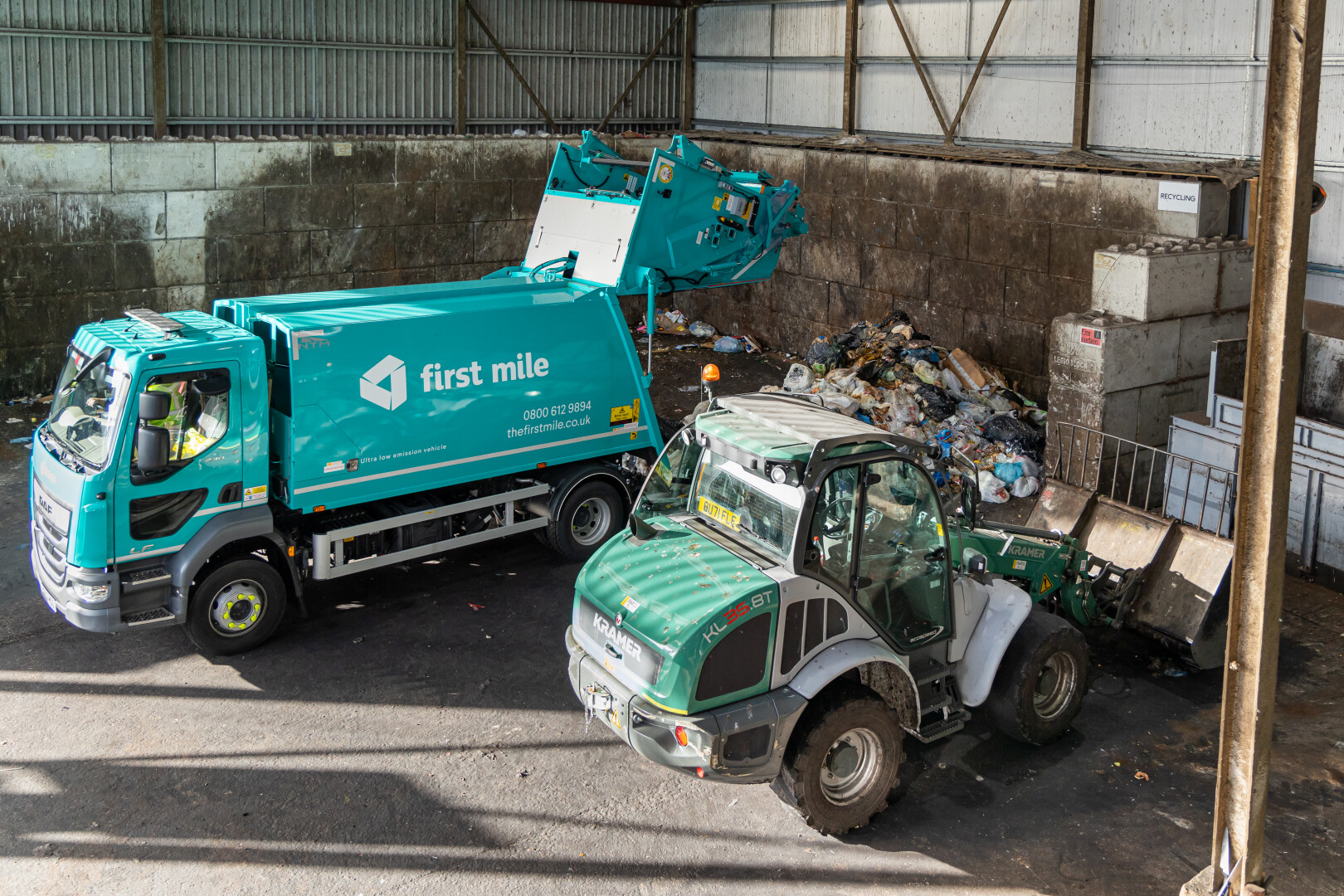
At First Mile, we have a zero-to-landfill guarantee, with clear, transparent end destinations so customers know exactly what happens to their waste once it's been collected. We're committed to upholding our 'Love the Environment' company value, becoming the first in the waste management industry to achieve B Corp Certification.
If you want to ensure your business is ready for the new recycling reforms, get in touch with us today and one of our recycling experts will be in touch with a solution tailored to your business's needs.
We have also completed an assessment to ensure we collect all dry recyclables together, meaning you’ll have one less bin to worry about!
What is Simpler Recycling in England?
Simpler Recycling is a UK government reform introduced by the Department for Environment, Food & Rural Affairs (DEFRA) to standardise recycling collections across England. The reforms require businesses and households to separate key recyclable materials such as glass, metal, plastic, paper, cardboard and food waste.
When were the new recycling rules introduced in England?
The Simpler Recycling reforms were introduced in phases:
-
31 March 2025: Businesses and non-household premises must separate core recyclable materials and food waste.
-
31 March 2026: Local authorities must provide standardised recycling collections and weekly food waste collections for households.
-
31 March 2027: Micro-businesses with fewer than 10 employees must comply, and plastic film recycling will be included.
Who do the Simpler Recycling reforms affect?
The reforms affect businesses, workplaces and households across England. Businesses and non-household premises have had to comply first from 2025, households followed in 2026, and micro-businesses with fewer than 10 employees must comply by 2027.
What waste must businesses separate under the new recycling rules?
Businesses must separate the following core recyclable materials:
-
Glass
-
Metal
-
Plastic
-
Paper and cardboard
-
Food waste
These materials must be kept separate from general waste and collected for recycling.
Do businesses need to separate paper and cardboard recycling?
Unless your waste collection provider has completed an assessment to collect all of your mixed recycling together, under the new paper and cardboard recycling rules, you would need a separate bin for these materials.
However, if, like First Mile, your waste provider has an assessment permitting the collection of all dry mixed recycling together, then you can combine paper, cardboard, metal, plastic and glass together.
Do paper and cardboard recycling go in the same bin as metal, plastic and glass?
In some cases yes. The new paper and cardboard recycling rules give local authorities flexibility to combine paper and cardboard recycling with other core materials. However, this is not the norm and the authority must conduct an assessment to explain why this is the case (for example lack of space in a tower block for additional bins).