


Every year, the world throws away more than a billion tonnes of food. In the UK, businesses and households contribute millions of tonnes to that pile. Some of it is unavoidable: bones, peelings, coffee grounds. A lot of it isn't.
Whatever the source, food waste has to go somewhere. Food waste management is about making sure it goes somewhere useful, rather than straight to landfill, and about meeting the legal requirements UK businesses face when it comes to handling it. This guide covers what food waste management actually means, the methods businesses use, how food waste is recycled, and UK legislation concerning the disposal of food waste.
Food waste management explained
What is food waste?
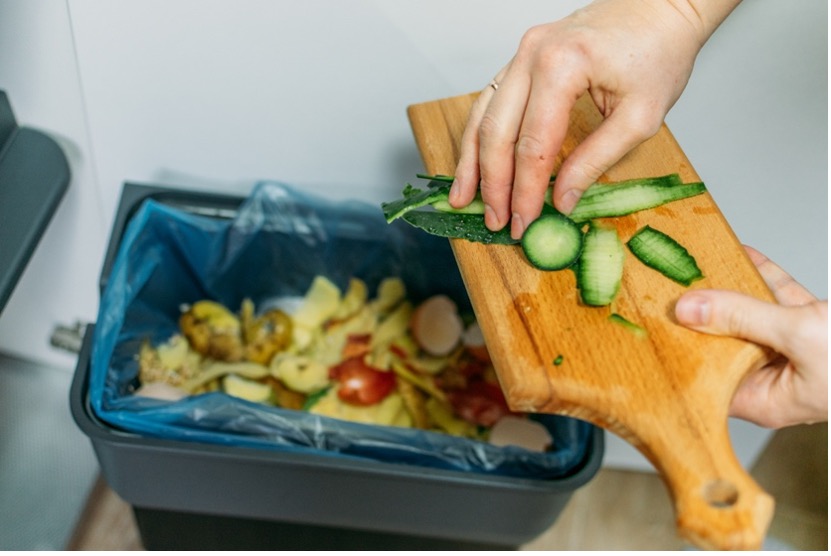
To understand the management of food waste, it is worth detailing what constitutes food waste. It is any food, or food related organic material, that's thrown away instead of eaten. For a business, that covers things like unsold stock, plate scrapings, prep waste like peelings and trimmings, out of date stock, tea bags, coffee grounds, and bones and shells. It doesn't matter whether the food was ever fit to eat. If it's organic material that was produced for people to consume and it ends up in a bin, it's food waste.
Defining food waste management
Food waste management is how a business handles and disposes of that waste in a way that keeps it out of landfill and reduces its environmental impact. What this looks like in practice depends heavily on the type of business. A restaurant might be running regular food waste audits and training kitchen staff on portion control. An office might just need clearly labelled caddies in the staff kitchen. Either way, the goal is to get food waste separated from general rubbish, and get it processed through a route that recovers value, rather than rotting in the ground.
Good food waste management isn't just an environmental nicety, for most UK businesses it's a legal requirement, which we'll discuss shortly.
Why food waste is a problem
Beyond the obvious waste of an uneaten meal, food waste carries an environmental cost.
The entire global food system, everything from farming, land use and processing through to packaging, transport and retail, accounts for an estimated 30% of all annual greenhouse emissions. Food production also monopolises 30% of Earth’s agricultural land with natural ecosystems converting to agriculture leading to habitat loss.
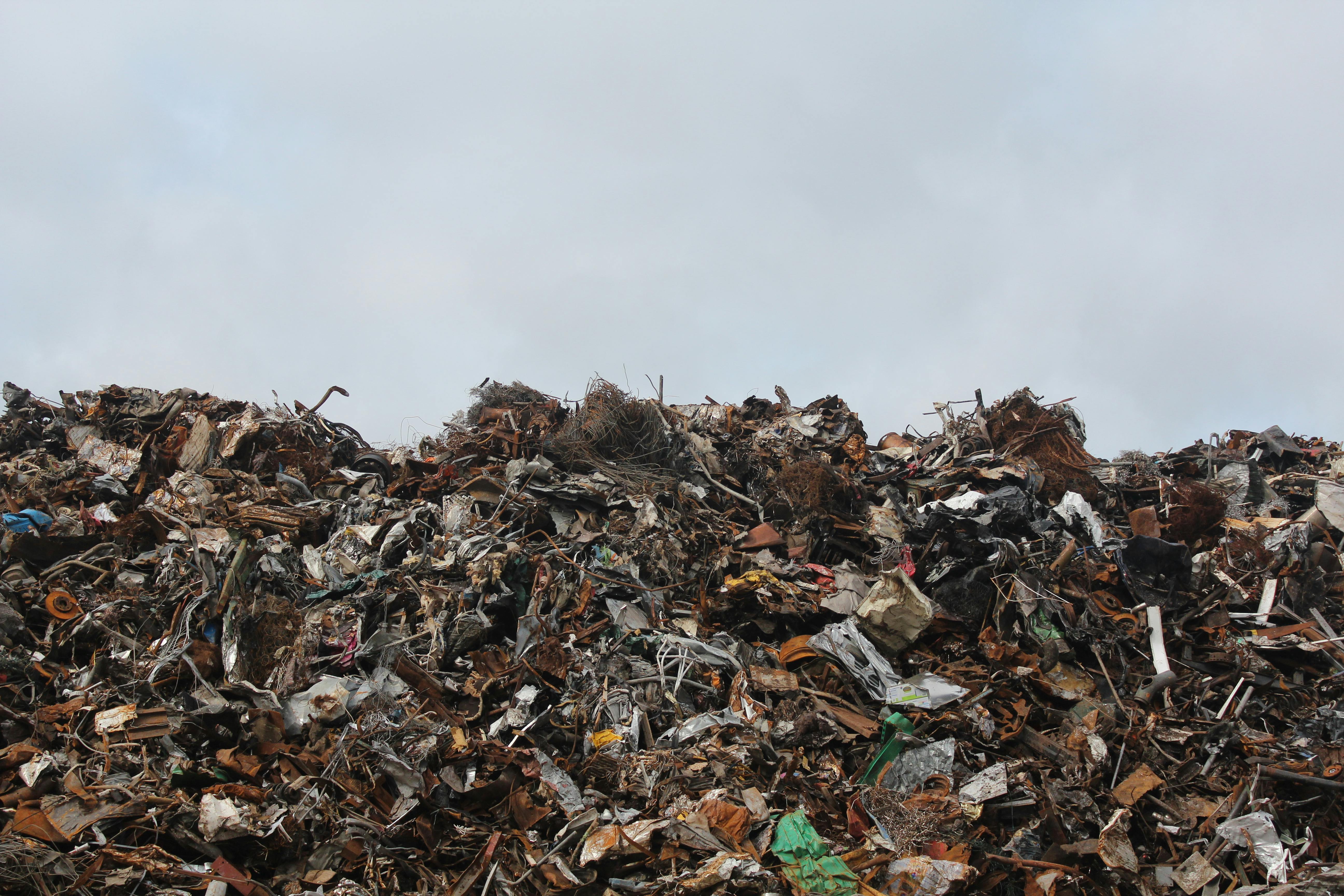
Despite the huge emissions from the global food system, one-fifth of food produced for human consumption is lost or wasted, amounting to one billion meals a day. Yet, up to 783 million people are impacted by hunger each year.
Food waste accounts for a significant slice of the emission totals. Research from the UN Food and Agriculture Organization and UN Environment Programme puts it at roughly 8 to 10% of all human caused greenhouse gas emissions each year, more than the entire global aviation industry.
Why food waste is a problem for the environment comes down to methane. When food waste ends up in landfill, it decomposes and releases methane into the atmosphere. Methane is a greenhouse gas that's around 27 times more powerful than carbon dioxide over a 100 year period. Keep food waste out of landfill, and you avoid that methane release almost entirely.
Methods of food waste management
Businesses have several methods of food waste management, and they sit in an order of preference. The following list of methods for dealing with food waste is a shortened and practical version of the food waste hierarchy.
- Reduction first. Better stock control, smarter menu planning and regular waste audits all reduce the amount businesses need to deal with in the first place.
- Food donation and redistribution. Surplus food that's still perfectly good to eat can go to food banks, community kitchens, homeless charities, or surplus food apps, rather than being thrown away at all.
- Anaerobic digestion. This is the main method used for commercial food waste recycling in the UK. Food waste is broken down by microbes in a sealed digester, producing biogas that gets converted into renewable electricity, along with a nutrient rich fertiliser called digestate.
- Composting. A good smaller scale option, particularly suited to green and garden adjacent waste, turning food scraps into compost that can go back into landscaping or agriculture.
By prioritising the methods of waste management from one to four, businesses can cut disposal costs, meet legal obligations, and reduce its environmental footprint.
How is food waste recycled?
Anaerobic digestion is the most common UK food waste recycling method. We’ll use First Mile’s own Food Recycling Service to explain the process of how food waste is recycled:
- Collection: Food waste is collected from your premises, whether that's a caddy or a wheelie bin, on a scheduled basis. At First Mile, this can run up to three times a day, seven days a week, depending on what a business needs.
- Transport and sorting: From there, it's taken to a dedicated recycling and processing facility. Here it is checked for contamination and prepared for digestion.
- Anaerobic digestion: The food waste is fed into a sealed digester, where microbes break it down in an oxygen free environment, essentially mimicking the process of digestion at an industrial scale. As the waste breaks down, it produces biogas, made up largely of methane.
- Energy recovery: Instead of that methane escaping into the atmosphere, as it would in landfill, it's captured and used to generate renewable electricity, which goes back into the grid to help power homes and businesses.
- Digestate: What's left over after digestion is a nutrient rich material called digestate, which gets used as a natural fertiliser in agriculture, returning nutrients to the soil instead of losing them entirely.
The result is that food waste, instead of sitting in landfill releasing methane for years, is turned into usable energy and fertiliser. If your business wants to see this process set up properly, our food waste recycling collection service page covers exactly how the caddy and wheelie bin options work.
Business requirements: Disposal of food waste
Under the Simpler Recycling reforms, which have applied in England since 31 March 2025, businesses are required to separate their food waste and mixed recycling from general waste, rather than sending it all to landfill together.
In practice, that means disposal of food waste can no longer go in with general rubbish. It has to be collected separately by a licensed waste carrier and sent for recycling.
Getting the operational side right, bins, staff training, storage and collection frequency, is its own topic, and we've covered the practical detail in our guide to food waste separation standards. If you run a retail site specifically, our retail food waste compliance guide covers the extra considerations around customer facing bins and multi site operations.
If your business hasn't got a separate food waste collection in place yet, it's worth sorting sooner rather than later. Our food waste collection service has full details on caddy and wheelie bin pricing, what can and can't go in, and how quickly we can get you set up.
How businesses can reduce food waste
Alongside proper disposal, there's a lot businesses can do to cut down how much food waste they produce in the first place.
For restaurants, cafés and hospitality businesses:
-
Run regular food waste audits to spot where waste is actually coming from.
-
Tighten up inventory control, tracking stock volumes, expiry dates and portion yields.
-
Plan menus around surplus ingredients, and keep portion sizes sensible.
-
Train staff on food waste and recycling practices so good habits stick.
-
Donate unsold food to local charities instead of binning it.
For offices and workplaces:
-
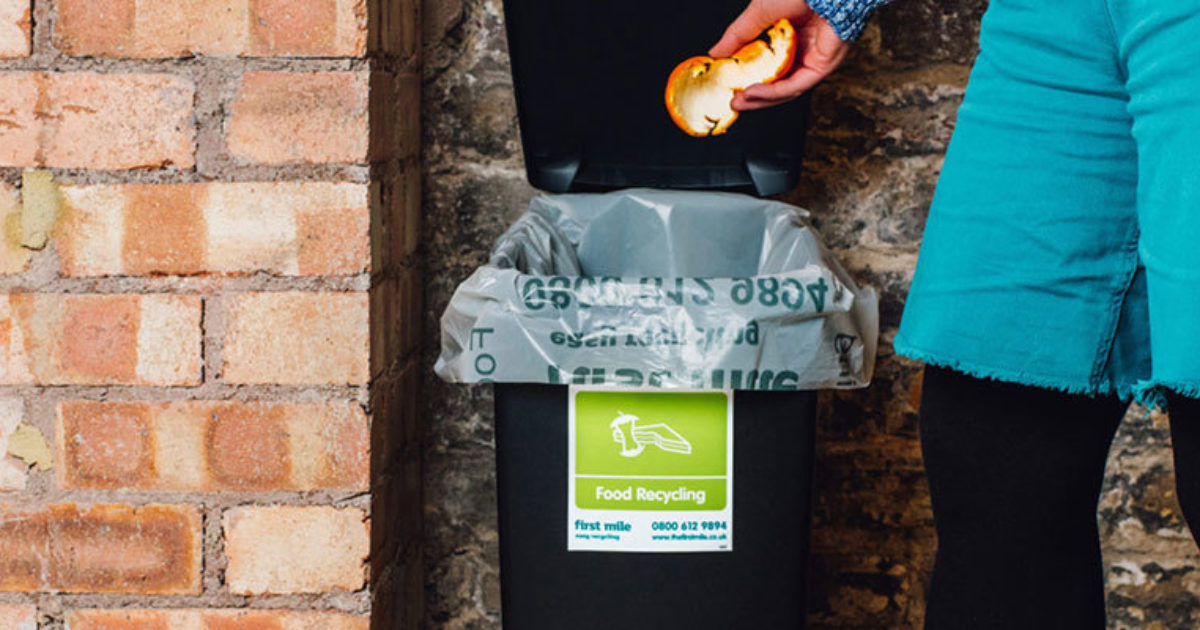
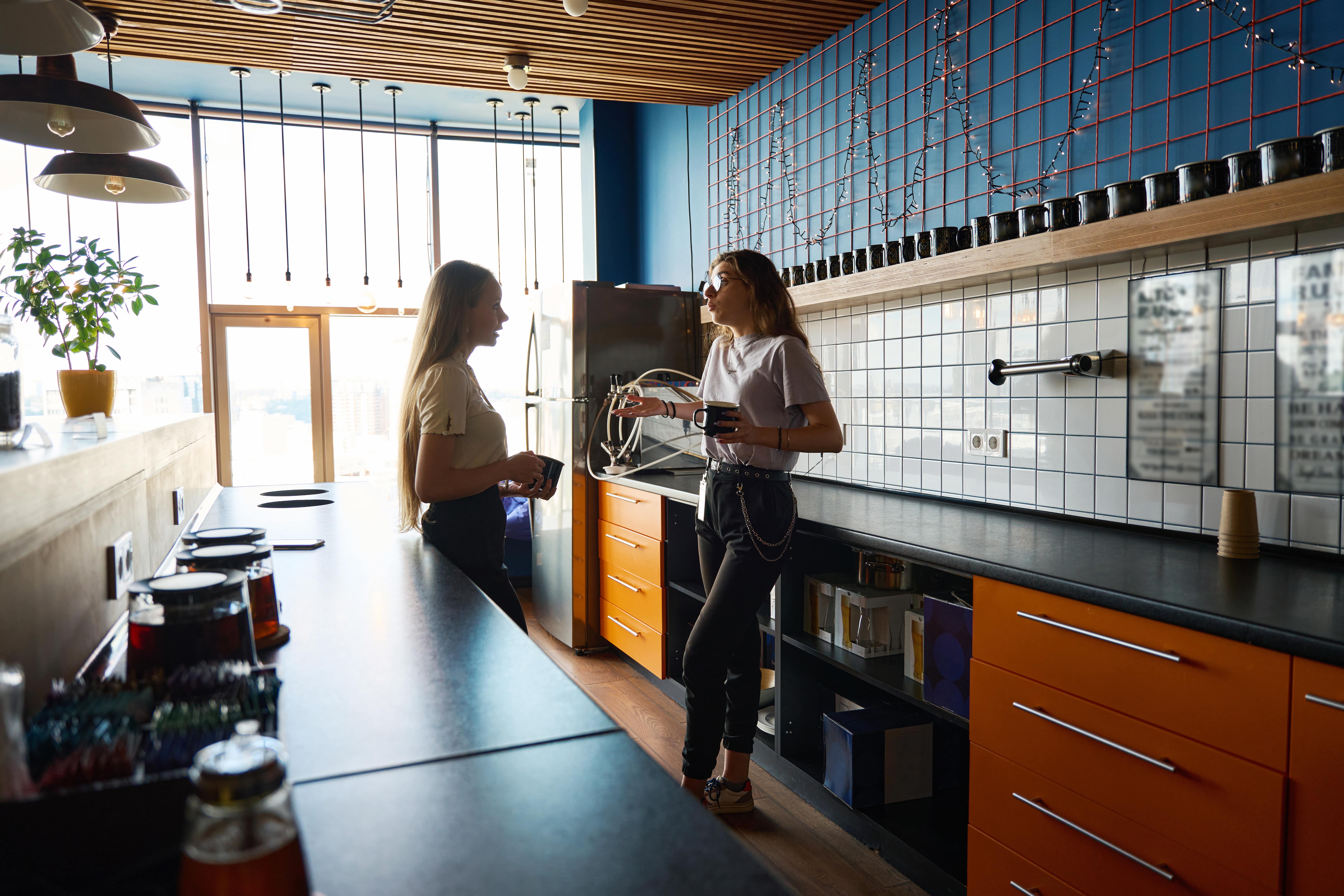
Provide clearly labelled food waste bins, with simple signage so there's no confusion about what goes where.
-
Encourage food sharing among staff, whether that's leftover lunches or cake after someone's birthday.
-
Make sure kitchens are stocked with proper storage, like airtight containers, to help food last longer.
-
Set up a shared space where people can leave food they don't want, for others to take.
Why choose First Mile to recycle your food waste?
At First Mile, we have a zero-to-landfill policy. We collect food waste through flexible caddy or wheelie bin collections, up to three times a day, seven days a week, and send it for anaerobic digestion, where it's converted into renewable electricity and biofertiliser.
We've also partnered with The Felix Project, so customers with surplus food that's still fit to eat can have it redirected to food banks, schools and community organisations, rather than going into the food waste stream at all.
If your business needs a proper food waste management setup, our food waste recycling service page has pricing, collection options and everything you need to get started. Feel free to get in touch to discuss your available methods of food waste management
Why can't food waste go into general waste?
If food waste goes into general waste, it's sent to landfill, where it decomposes and releases methane, a greenhouse gas around 27 times more powerful than carbon dioxide over 100 years. Separating food waste for recycling avoids that release and turns the waste into a useful resource instead. Under Simpler Recycling, it's also a legal requirement for most UK businesses.
What's the difference between food waste and food loss?
Food loss generally refers to food that's lost earlier in the supply chain, during harvest, storage or processing, before it ever reaches a shop or a plate. Food waste refers to food that was fit for consumption but got thrown away at the retail, hospitality or household stage. Businesses mostly deal with food waste rather than food loss.
How does anaerobic digestion work?
Anaerobic digestion breaks food waste down in a sealed, oxygen free digester, using microbes to mimic the process of digestion. This produces biogas, which is captured and converted into renewable electricity, and digestate, a nutrient rich material used as fertiliser.
Do all UK businesses need a separate food waste collection?
Under Simpler Recycling in England, yes, with a temporary exemption for businesses with fewer than 10 full time employees that runs until 31 March 2027. Scotland, Wales and Northern Ireland apply their own thresholds, typically based on how much food waste a business produces each week, but covers most businesses.
What can go in a commercial food waste bin?
Cooked and uncooked food, fruit and vegetable peelings, tea bags and coffee grounds, and bones and shells can all go in. Packaging, glass, napkins and compostable or biodegradable packaging should be kept out, as these can contaminate the load.